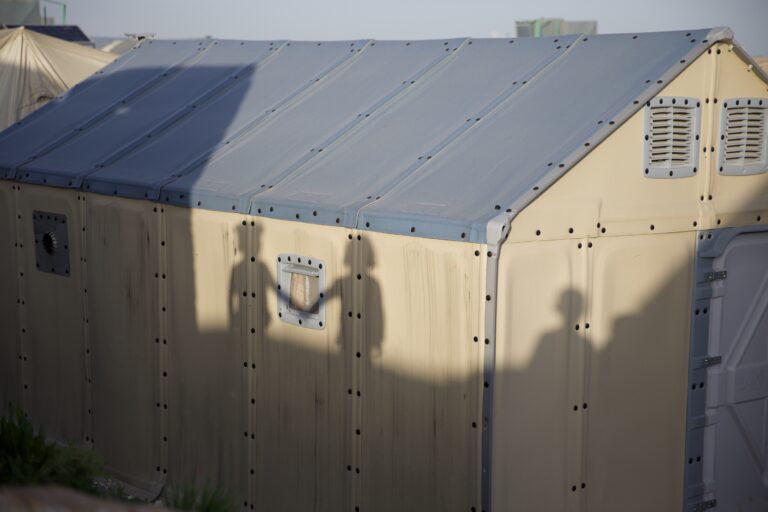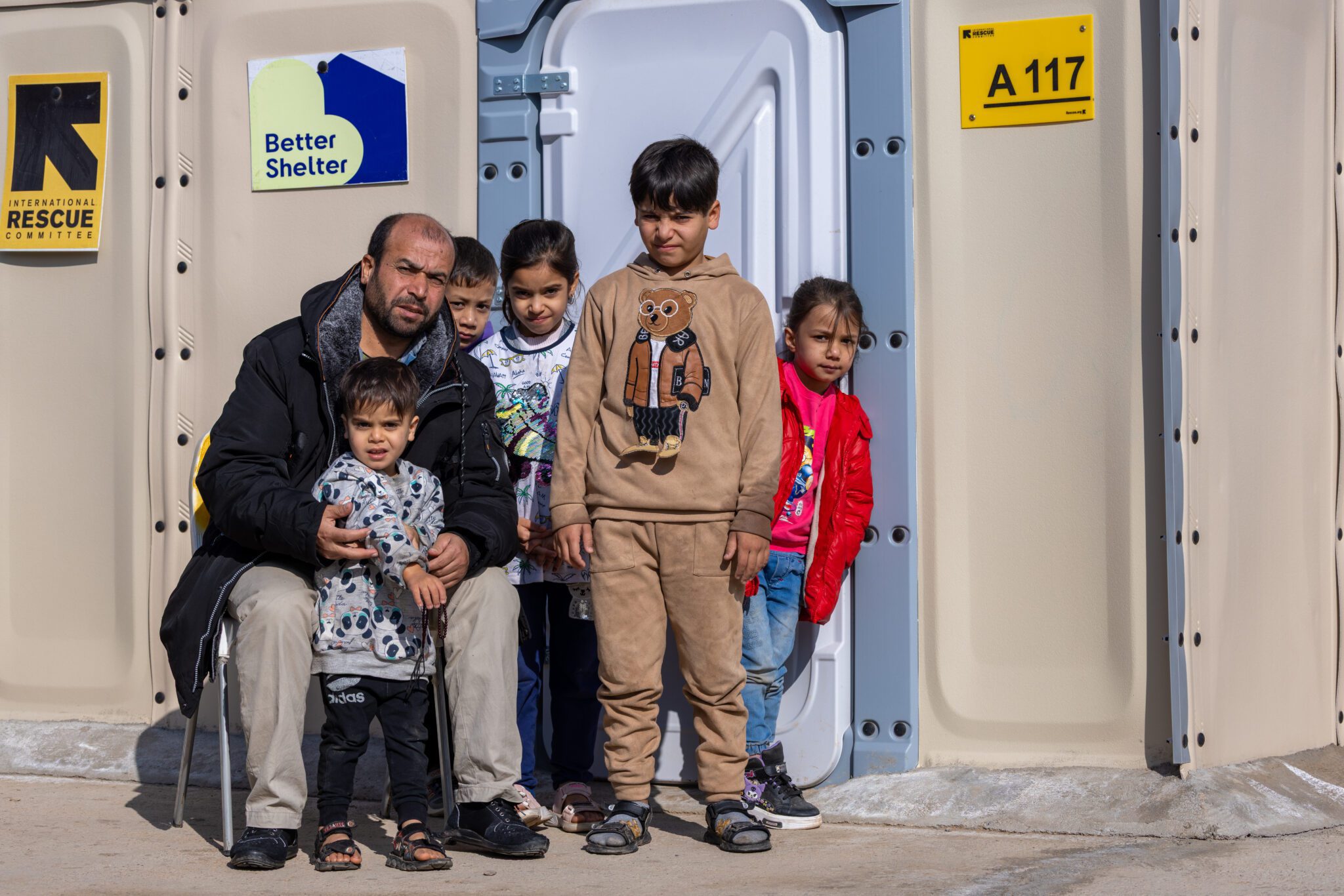
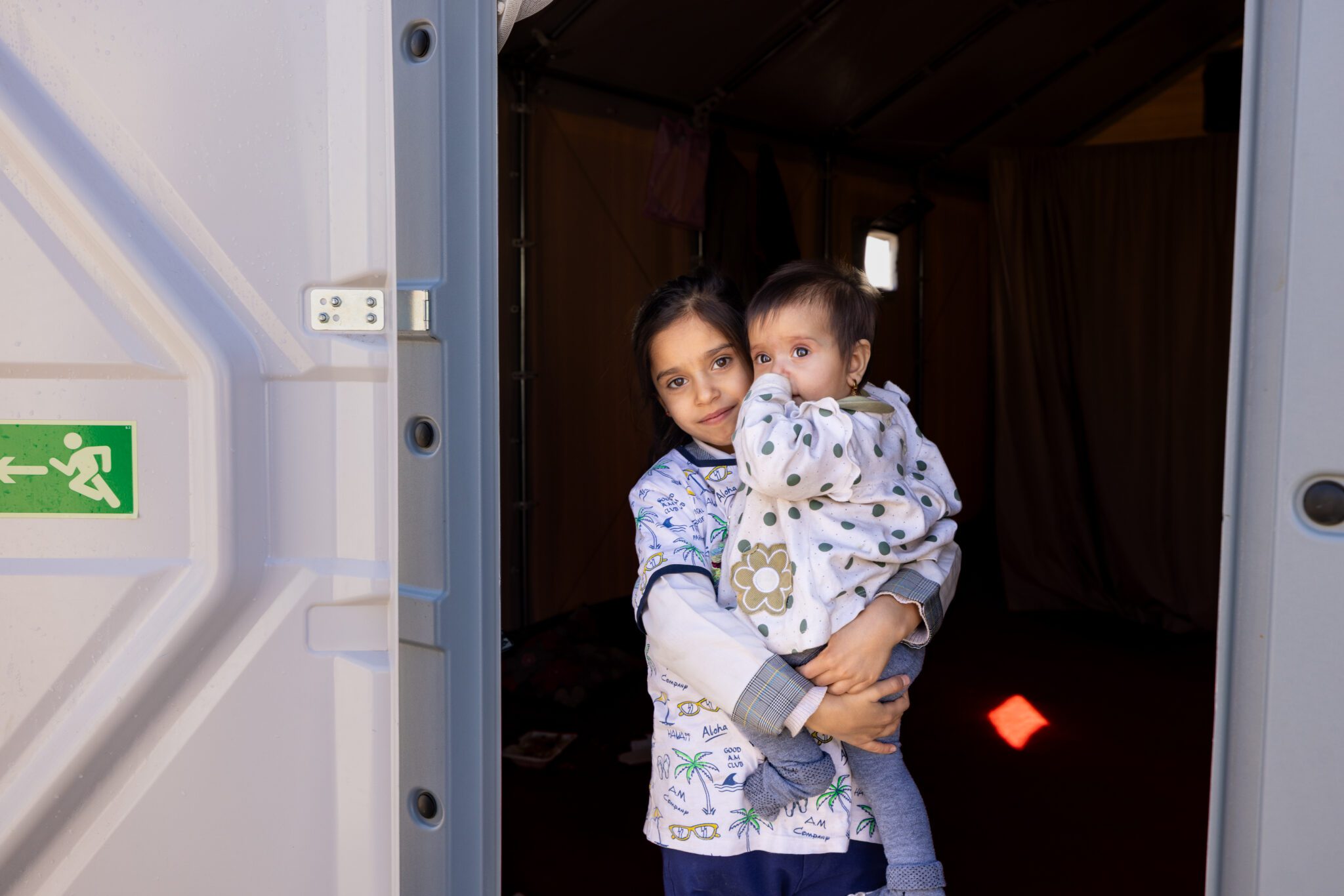
As millions of Afghans return from Iran and Pakistan, many arrive with little support and few places to rest. International Rescue Committee (IRC) set up a temporary relief facility, offering safety, healthcare, and essential services for families in transit, using our shelters, donated via the Better Fund.
Since January 2025, millions of Afghans have returned from Iran and Pakistan, many arriving at the Islam Qala border crossing in Herat Province after being left with few options to stay where they were. With limited access to healthcare, clean water, and protection, the speed of these returns has put huge pressure on services that were already stretched thin. In response, the International Rescue Committee (IRC) established a temporary relief facility at the Afghanistan–Iran border in September last year, using 120 shelters from Better Shelter.
A place to pause
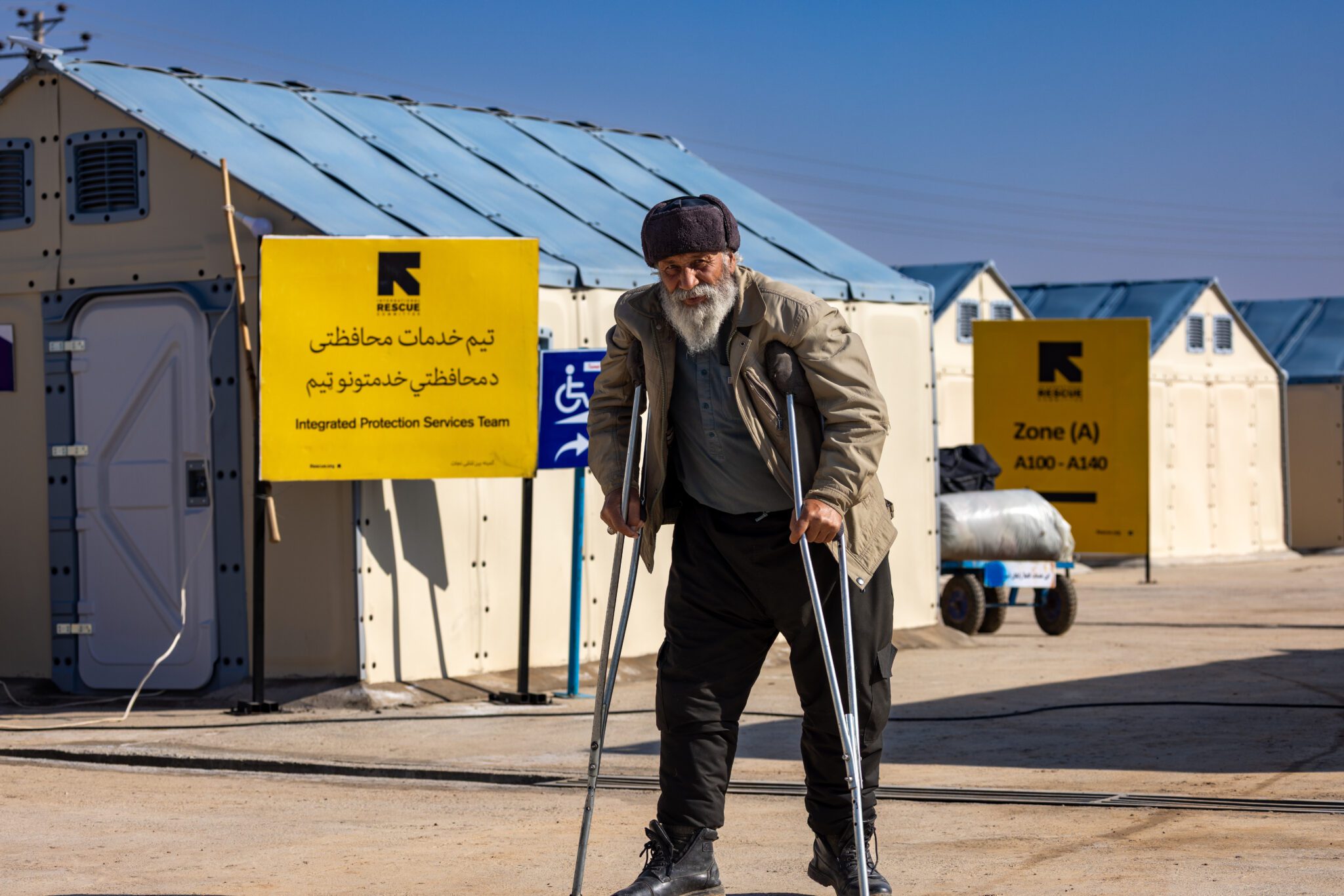
At the centre, IRC and national partners offered warm spaces for families to rest, alongside basic health care, including treatment for communicable and non-communicable diseases, mental health and psychosocial support, sexual and reproductive health services, and a delivery room for safe births.
Protection teams spoke with around 1,000 women and children to understand urgent needs and risks, and provided cash support to 640 people. The teams also shared information on legal documentation and available services with 11,000 people. People with disabilities received practical support, such as hearing aids.
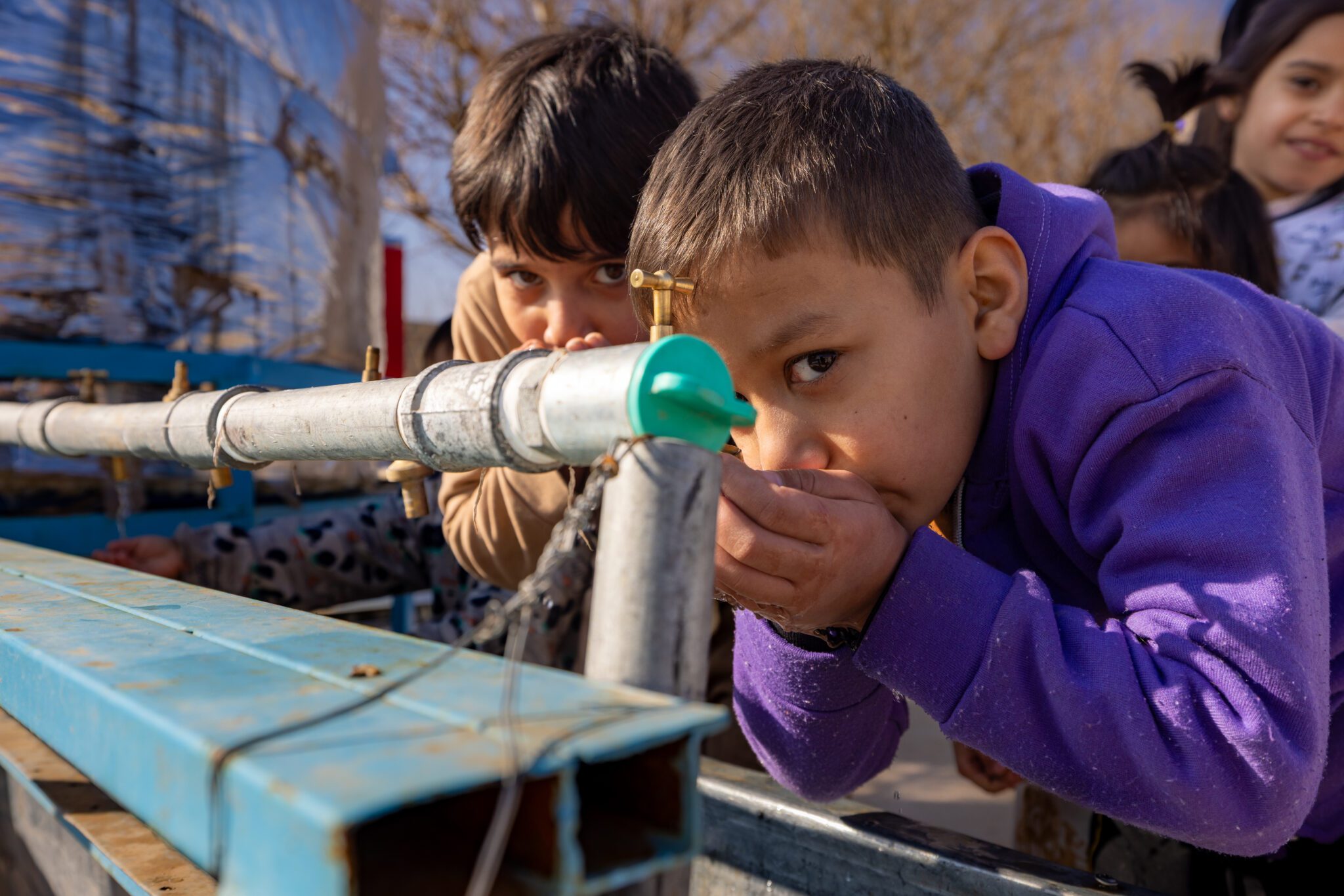
People had access to toilets, showers and washrooms, drinking water, and items like heaters, blankets, lighting, as well as spaces where children could play and take a break from the journey.
To date, the facility has supported 4,206 people crossing into Afghanistan.
“Families arriving at Islam Qala have been through a great deal. They needed a place to pause and feel safe—somewhere with enough privacy to gather their thoughts and plan their next step.”
Johan Karlsson, Managing Director and Co-founder of Better Shelter
“We spent days in difficult conditions. When my son walked into the facility here, he looked around and asked, ‘Dad… is this Afghanistan?’ The dignity and support we found were beyond anything we imagined.”
Afghani father
“The support from Better Shelter enabled us to respond swiftly to the acute situation at Islam Qala. The shelters have been a lifeline for families who endured immense hardship and were in desperate need of a safe place to stay temporarily.”
Anna Sundström, Executive Director of IRC Sweden
Support during the harshest months
As winter and harsh weather made the journey back even harder, the facility became one of the few places in the area offering critical protection support, especially for children, older people, and those with medical conditions. It also created a safe, shared space where IRC and other humanitarian partners could deliver support side by side.
Passing the support forward
In January 2026, IRC handed over the facility and its assets to a partner, allowing services to continue for new people returning.
Humanitarian needs across Afghanistan remain extremely high. Nearly half of the population, around 21.9 million people, requires humanitarian assistance, following decades of conflict, economic collapse, climate-related disasters, and reduced international support.
FAQ Returning to Afghanistan
1) Why are so many people returning to Afghanistan now?
A large number of Afghans are returning because host countries like Iran and Pakistan have tightened policies, including ending temporary residency arrangements and increasing deportations. These shifts have pushed people back over the border, often with little warning and few resources.
2) How many people have returned so far?
Hundreds of thousands of Afghans have returned in 2025, with estimates ranging from over 1.8 million to nearly 2.8 million people returning from Iran and Pakistan as of late 2025.
3) What challenges do returning families face when they arrive?
Returnees often arrive with limited belongings and little access to basic services such as shelter, healthcare, clean water, and legal documentation support. Many border areas and host communities lack sufficient capacity to meet these needs.
4) What is the overall humanitarian situation in Afghanistan?
Afghanistan remains one of the world’s largest humanitarian crises. Millions of people lack access to essential services like healthcare, clean water, food, and sanitation. In 2025, anywhere from about 18 million up to nearly 23 million people are estimated to require humanitarian assistance.
5) Are returns voluntary or forced?
Return patterns include both voluntary returns and pressured or forced movements, especially where legal protections have been reduced in host countries. This makes safe and dignified return difficult for many families, particularly vulnerable groups.