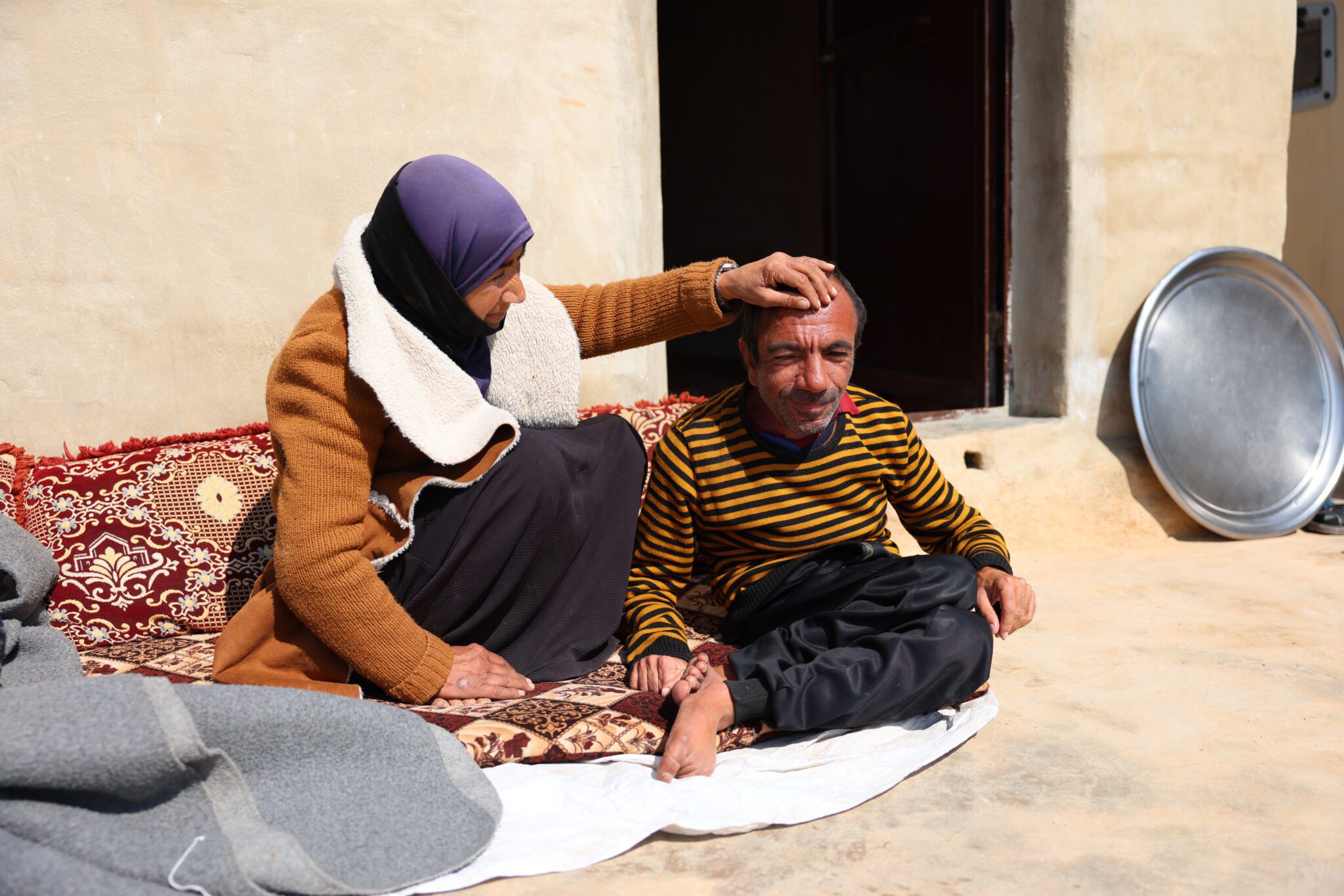
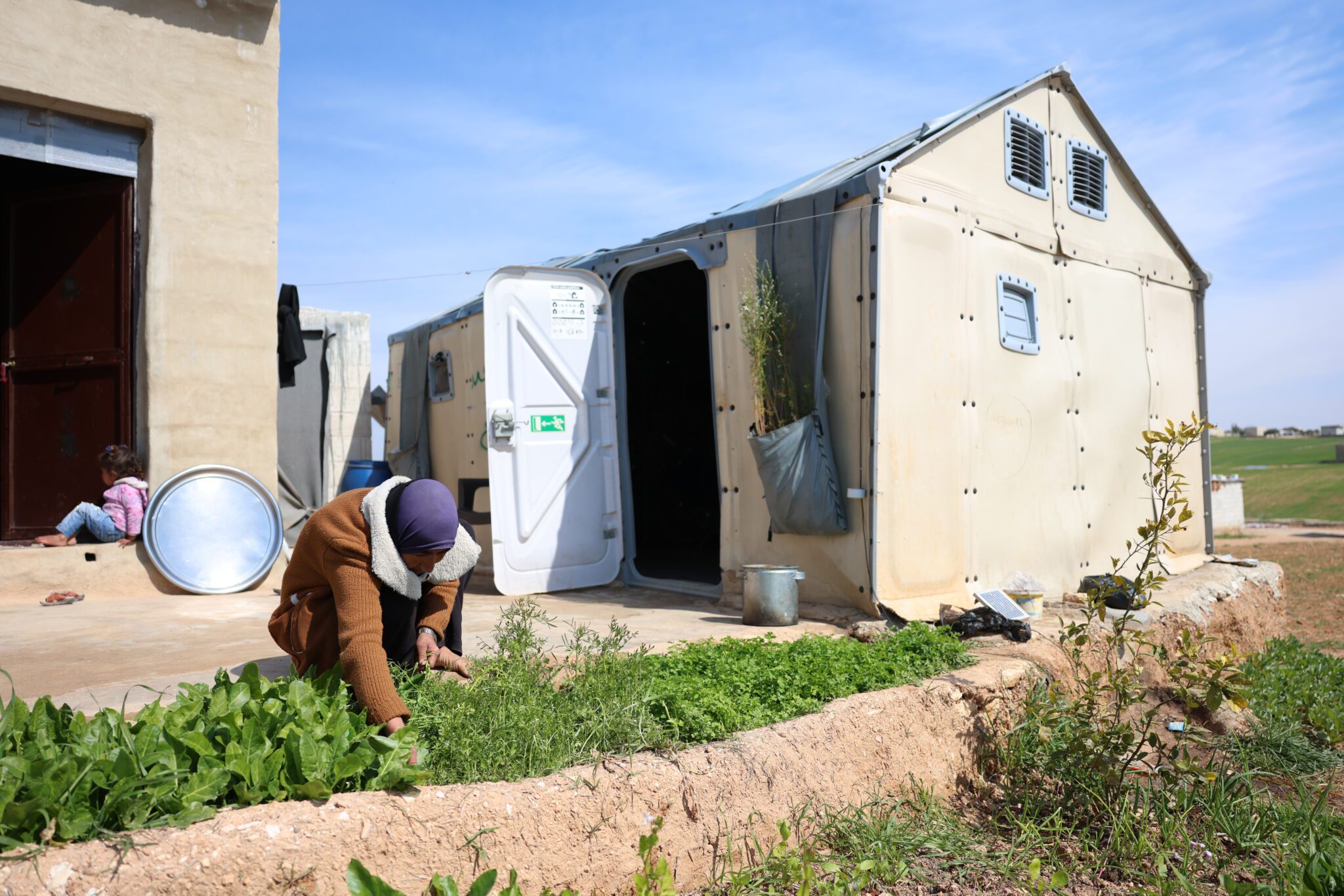
INTERNATIONAL WOMEN’S DAY. Samira Nasser Hassoun, 60, crouches beside her shelter, picking herbs from a small patch of soil. It is early March, and Ramadan has begun in northwest Syria. Later in the evening, she will use the herbs to prepare the meal that will break the day’s fast. She will serve a salad to her sister, her elderly mother, and her brother.
The family lives in deep poverty. To get by, Samira and her sister work in nearby fields whenever work is available. They harvest potatoes, onions, and herbs. Working in the fields is physically demanding, but it puts food on the table. Samira lives with heart disease and has undergone two heart valve replacement surgeries.
Six years ago, shelling destroyed their home in a village in Idlib Governorate and the family had to flee. For years, they moved from place to place and between camps.
A protected, private space
During the first years that the family was displaced, they lived in tents. Winters were cold and they had very little money. Privacy was especially difficult for women. Samira remembers that they had to be careful about how they dressed and moved around. Eventually, the family moved into a shelter from Better Shelter. For the first time in years, they had a solid and enclosed space. Albeit temporary, the walls protected them from wind and rain, and the door provided more privacy than the tent. Like thousands of other displaced people around the world, Samira used the shelter as a place to rest, cook, and be with her family.
During her years in the camp, Samira joined a sewing workshop supported by a local organisation, where she made clothes and simple household items. She earned about 100 dollars each month, which helped cover their basic needs and gave her a sense of stability.
“When I joined the sewing workshop, I felt a little relieved. I could come back from work and bring things home.”
Samira
Returning home
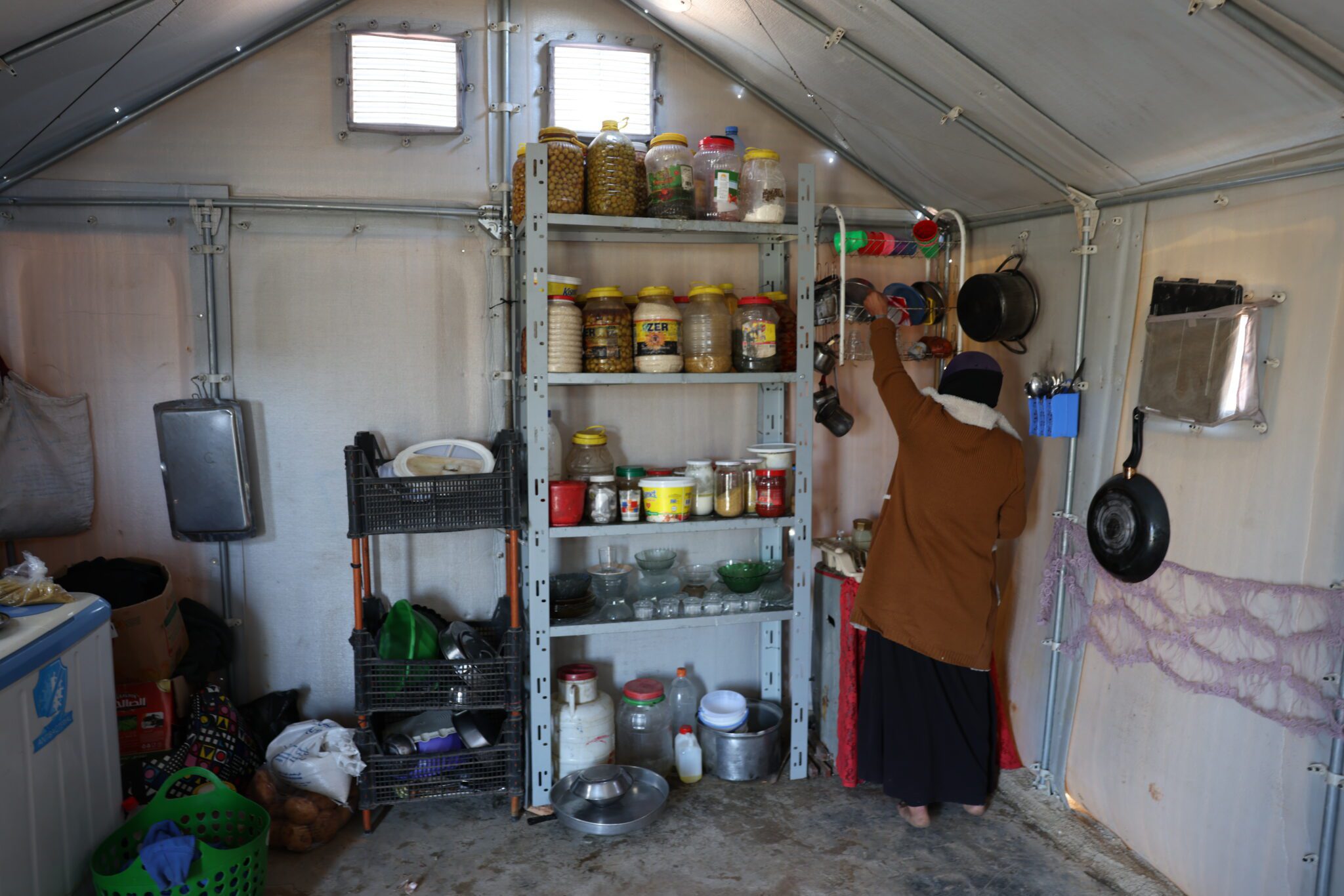
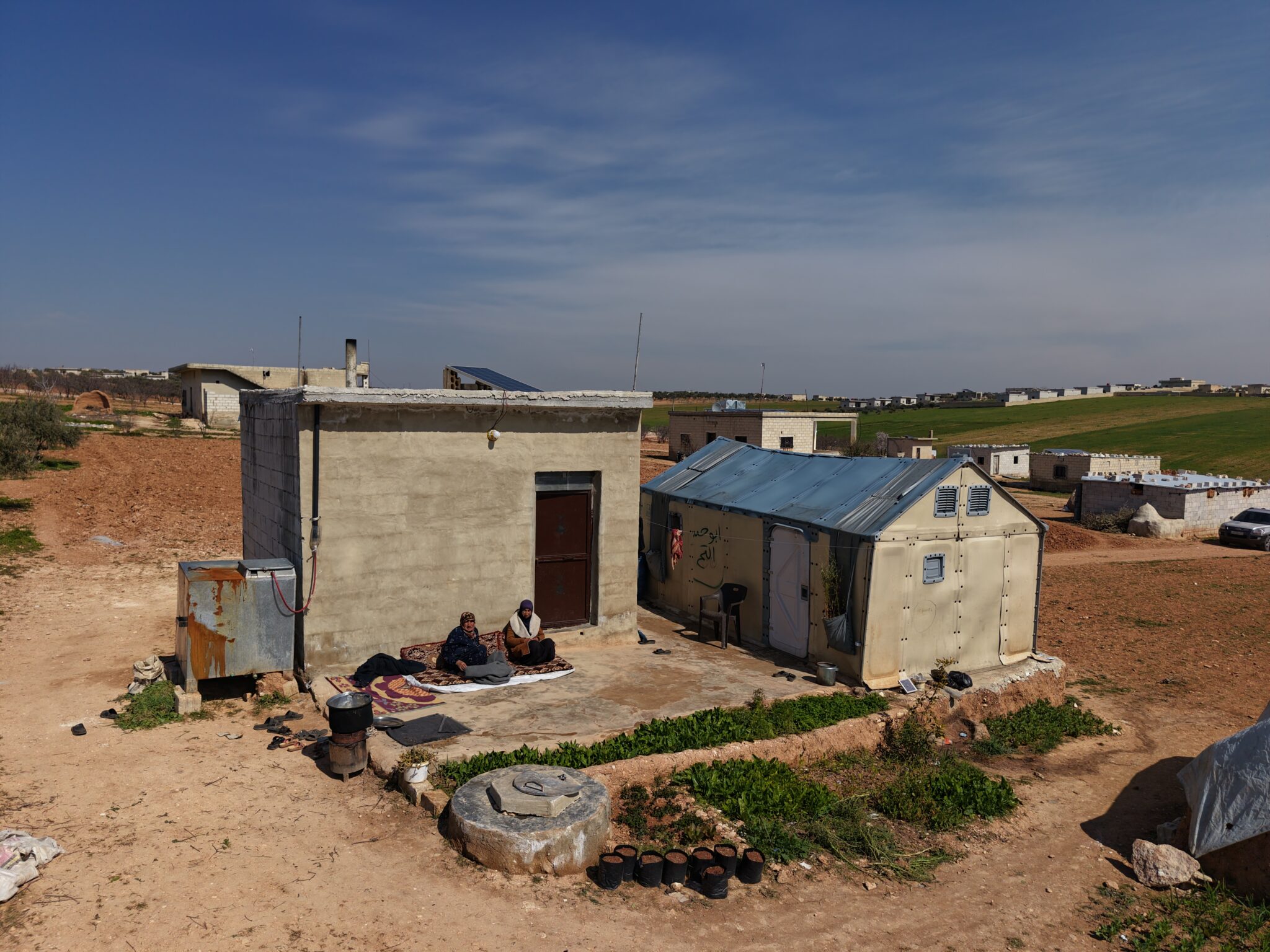
After the fall of the regime, Samira and her family returned to their village. They brought the shelter with them. Today, they live in a small one-room stone house, and use the shelter from Better Shelter as a small kitchen near the remains of their former home. The shelter is where Samira now prepares meals for her family.
Supporting other women
“A strong woman is someone who endures, works, and brings things home for her family.”
Samira
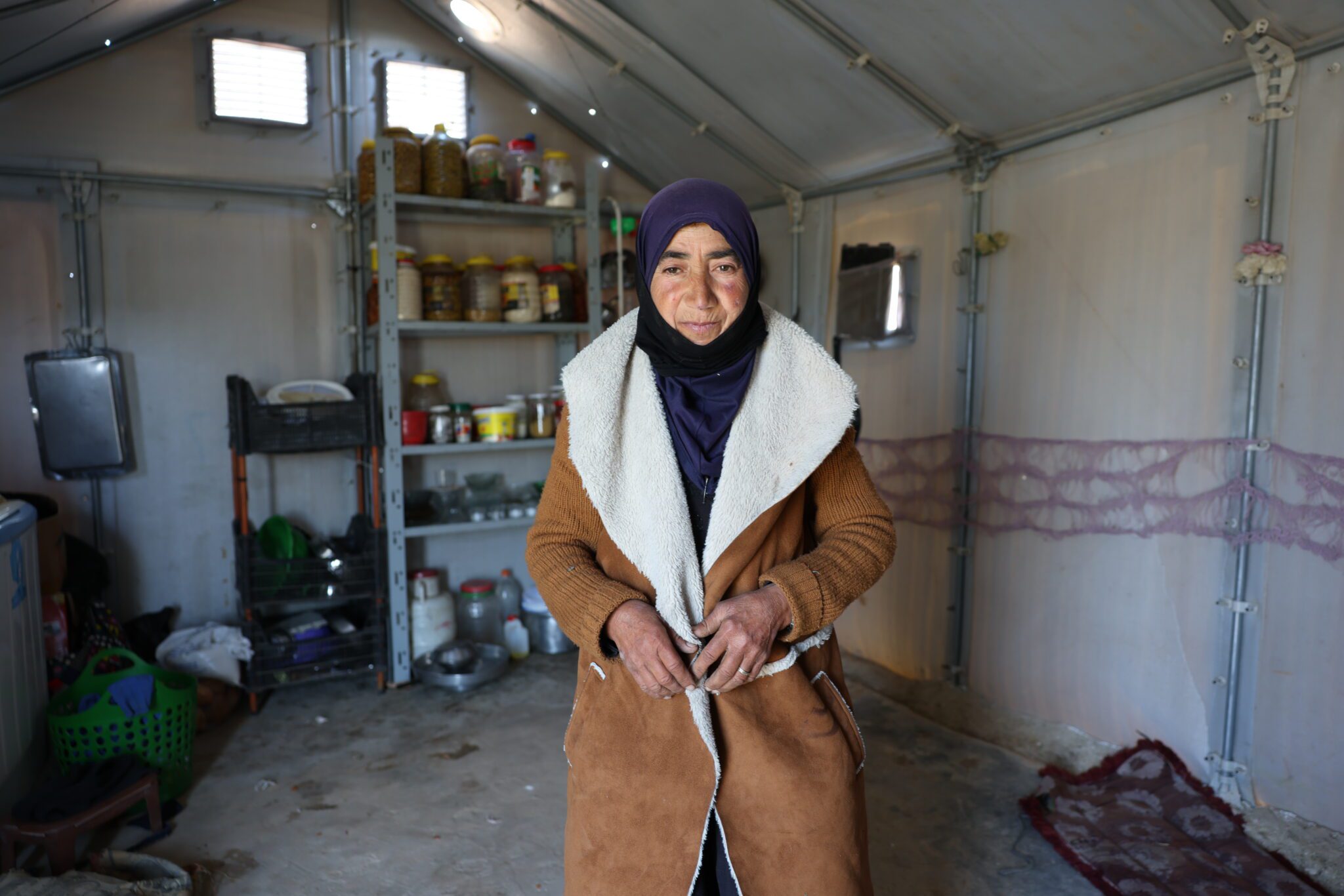
Samira believes in the resilience of women who work and support their families. She often encourages other women to stay patient and keep going despite their challenges. On International Women’s Day, Samira hopes women in Syria and around the world will remain safe and continue supporting their families, even in difficult times.
About the situation in Syria
1. What was the war in Syria about, and when did it end?
The war in Syria began in 2011, when peaceful protests calling for political reforms were met with violent repression by the government. The unrest escalated into a civil war involving government forces, opposition groups, and international actors. After nearly 14 years, the war effectively ended in December 2024, when opposition forces captured the capital Damascus and the government of President Bashar al-Assad collapsed, though the country continues to face major humanitarian challenges. Source: UN Commission of Inquiry on Syria; Encyclopaedia Britannica
2. How many people were affected by the war?
The conflict has had a devastating human toll. Estimates suggest that more than 580,000 people have been killed since 2011. Around 13 million Syrians were forced to flee their homes, including millions who became refugees in neighbouring countries and others displaced inside Syria. Sources: UN Commission of Inquiry on Syria; Global Centre for the Responsibility to Protect; UNHCR
3. What is the situation in Syria today?
Although large-scale fighting has decreased in many parts of the country, the humanitarian situation remains severe. More than 16 million people still need humanitarian assistance, and many families struggle with poverty, damaged infrastructure, and limited access to services such as healthcare, water, and electricity. Source: UN Office for the Coordination of Humanitarian Affairs (OCHA), Humanitarian Needs Overview
4. Are people returning to their homes?
Some Syrians have begun returning to their communities as the security situation has changed. However, many people return to areas where homes are damaged or destroyed and where services, infrastructure and jobs remain limited. Sustainable return and recovery will take many years. Source: UNHCR Syria Operational Updates
5. How many people are still displaced?
Displacement remains widespread. More than 7 million people are still internally displaced within Syria, while several million Syrian refugees remain in neighbouring countries such as Turkey, Lebanon, and Jordan. Source: UNHCR Global Trends; UNHCR Syria data portal
6. Why is shelter still important in Syria?
Years of conflict destroyed or damaged millions of homes. Many families returning from displacement find their houses unsafe or completely destroyed. Safe shelter provides protection from the weather, privacy for families, and a place where people can begin rebuilding their lives. Sources: UNHCR; Norwegian Refugee Council (NRC)