Nairobi, Kenya – May 27, 2026 – Humanitarian leaders, diplomats, government officials, and private sector representatives gathered at the Swedish Ambassador’s Residence in Nairobi for a dialogue on humanitarian innovation and dignified shelters for emergency response and resilience.
Building resilience through partnership in East Africa
The event, hosted by the Embassy of Sweden together with Better Shelter, Habitat for Humanity Kenya and Save the Children, brought together representatives from government, humanitarian organisations, donors and the private sector to discuss how shelter can support both emergency response and long-term resilience, at a time when more people across the region are being forced from their homes due to conflict, drought and extreme weather.

“Humanitarian response must move beyond short-term emergency thinking and invest in solutions that preserve dignity, strengthen resilience and support long-term recovery for displaced communities.”
H.E. Hans Henric Lundquist, Ambassador of Sweden to Somalia
At the centre of the conversation was a question that is becoming increasingly important across East Africa and the Horn of Africa: how can humanitarian response build on local knowledge rather than replace it?
In Sudan, where millions of people have been displaced by conflict, shelter plays an important role in providing protection, privacy and stability. “Behind every displacement statistic is a family fighting to survive with dignity. Shelter is not simply infrastructure. It is protection, privacy, safety and stability,” said Francesco Lanino, Deputy Country Director – Programmes & Operations, Save the Children Sudan.
“Communities affected by crisis are not passive recipients of aid. They are active partners in shaping and sustaining humanitarian solutions. ”
Francesco Lanino, Deputy Country Director – Programmes & Operations, Save the Children Sudan

The challenges are different in Kenya, but the need for safe shelter remains the same. In Tana River County, recurring floods continue to damage homes and disrupt lives.
“Before introducing solutions, we listened to communities, understood their challenges and worked alongside them to co-create shelter models that reflected their cultural practices, climate conditions and long-term aspirations.”
Rita Munyae, Partnerships Manager, Habitat for Humanity Kenya

Shelter installation at the residence of H.E Ambassador of Sweden to Kenya

The centrepiece of the event was a shelter installation built around a single Better Shelter frame. Visitors could walk through the shelter and explore two different approaches to local adaptation.
One side of the shelter had been adapted using locally available materials and techniques inspired by work in Sudan with Save the Children. In Sudan, where conflict has displaced more than 11 million people, local communities play an important role in shaping shelter solutions.
“In Sudan, innovation means adaptability. It means finding practical and scalable solutions in extremely complex operational environments while remaining accountable to affected communities.”
Francesco Lanino, Deputy Country Director – Programmes & Operations, Save the Children Sudan
The other side reflected a project in Kenya’s Tana River County, where Habitat for Humanity Kenya has been working with communities affected by recurring floods.
Flooding continues to damage homes, livelihoods and infrastructure. Working together with local communities, Habitat for Humanity Kenya explored how local materials and construction techniques could be combined with the Better Shelter structure to create homes suited to flood-prone environments.
“The shelter models piloted in Tana River County demonstrate scalable, climate-resilient housing solutions that can be replicated across disaster-prone regions in Kenya and beyond.”
Rita Munyae, Partnerships Manager, Habitat for Humanity Kenya
Visitors could step inside and experience the space that has supported families in two very different contexts, a place that feels safer and their own. It also showed how a pre-positioned shelter frame can provide a starting point, while communities adapt it using local materials, skills and traditions to fit their environment and way of life.
This is the idea behind our approach at Better Shelter: creating shelter systems that can be deployed quickly and adapted to different contexts by the people who use them.

“Shelter is not a secondary issue during humanitarian crises. It is central to safety, dignity and recovery. Our role is to provide rapidly deployable shelter systems that are durable, adaptable and capable of supporting families through prolonged displacement.”
Johan Karlsson, Managing Director of Better Shelter
Thank you to our partners
Thank you to Embassy of Sweden in Nairobi, H.E. Ambassador Håkan Åkesson, H.E. Ambassador Hans Henric Lundquist, Save the Children Sudan and Habitat for Humanity Kenya for their continued support and valuable partnership.
Resilient communities are not built by a single organisation. They are built through collaboration, local leadership and a long-term commitment to supporting people as they recover and rebuild.

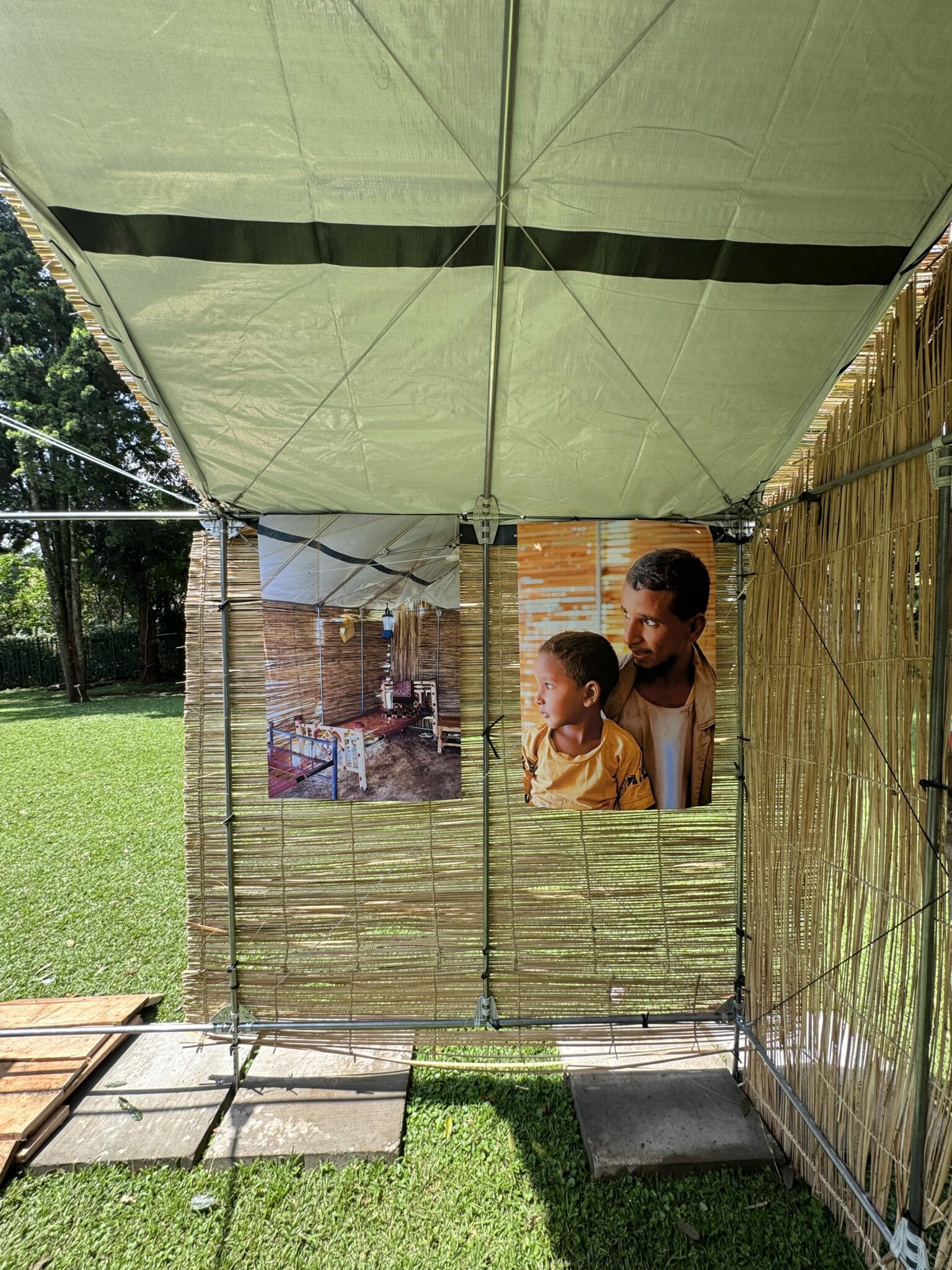
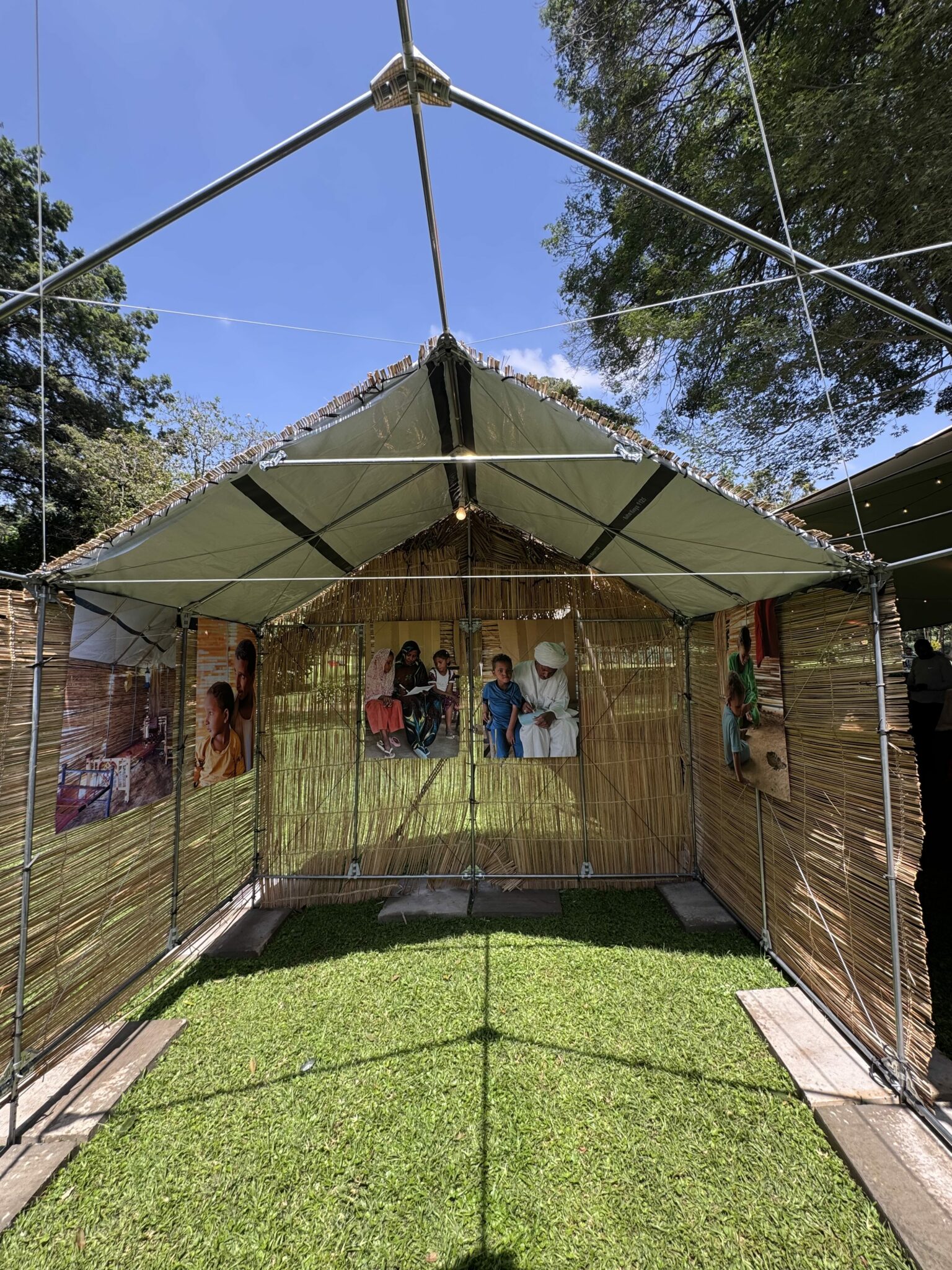

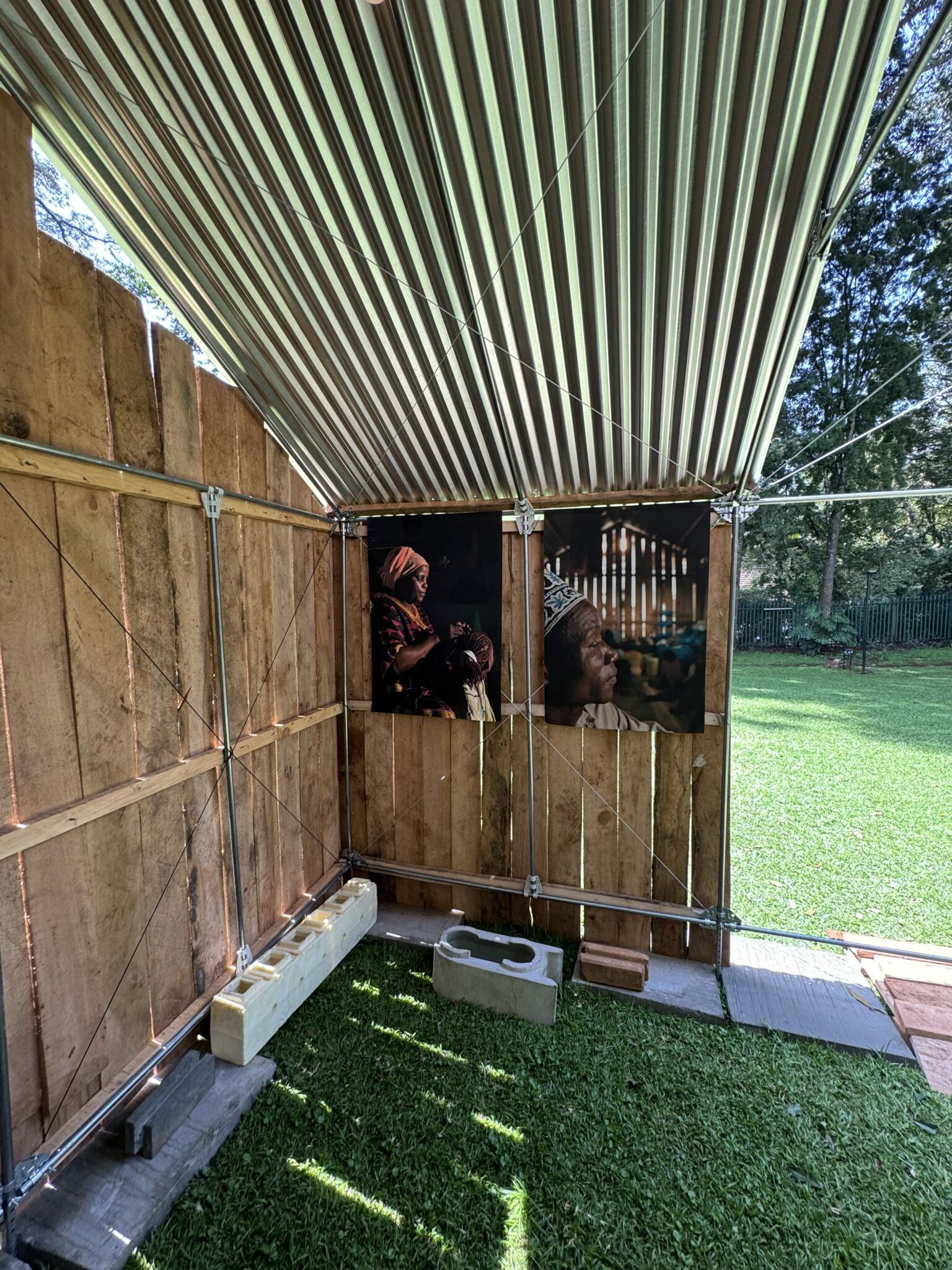
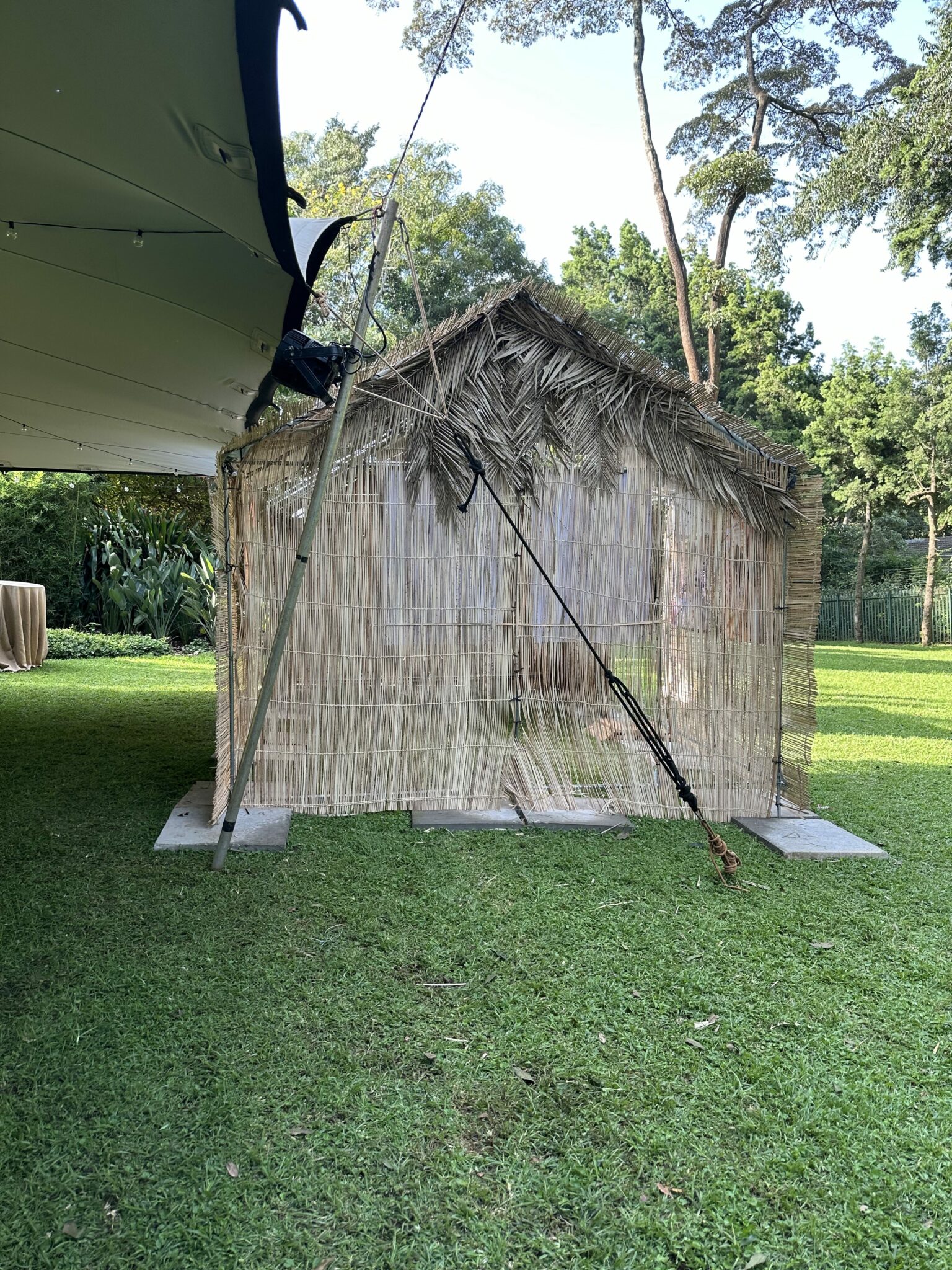
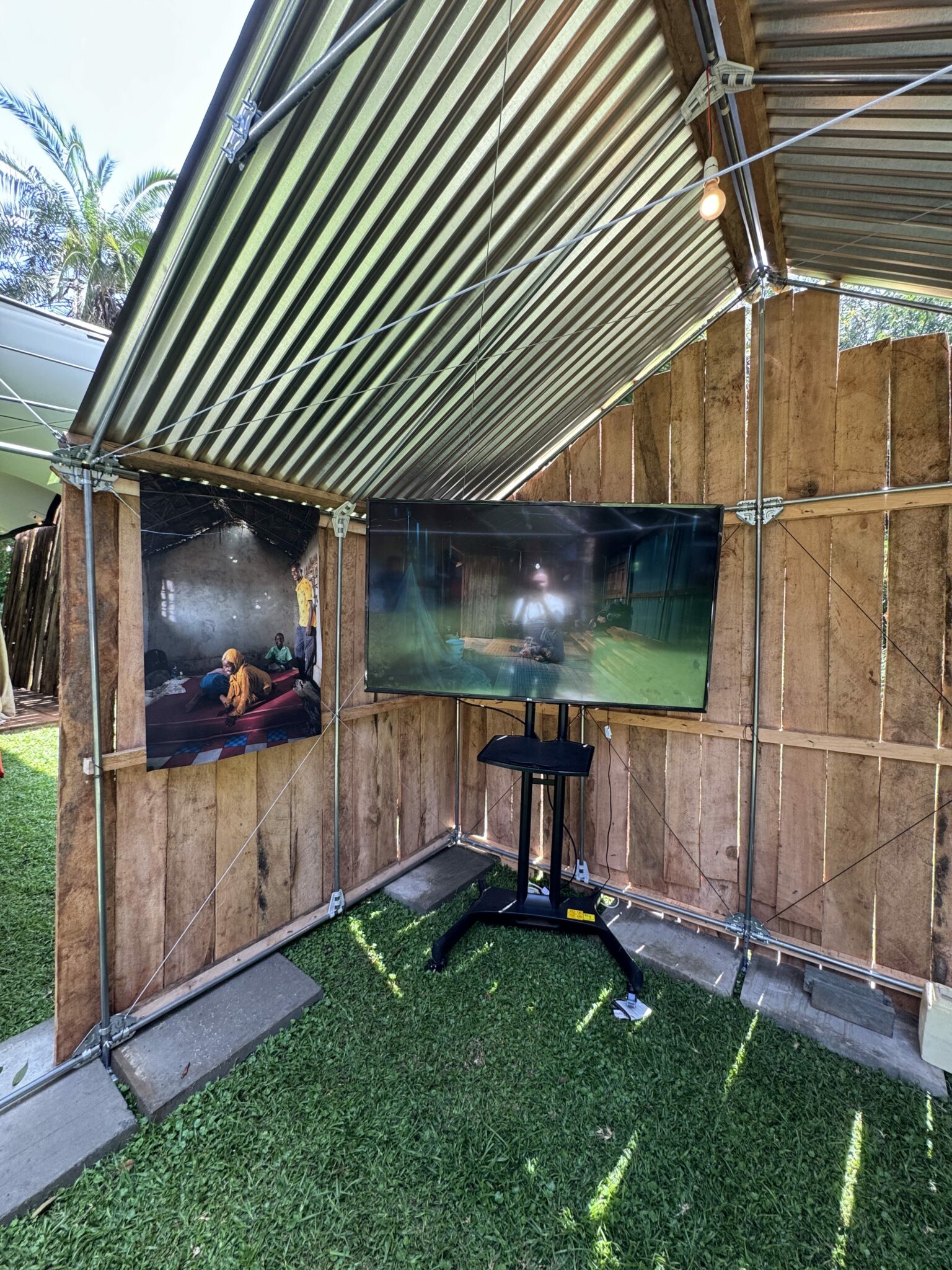


Photo: Habitat for Humanity Kenya