Region: Africa
Country: Chad
Year: 2024
Shelter: RHU
Project size: 101-500
Modality: Other
Sector: Shelter
Partner: International Organization for Migration
Support:

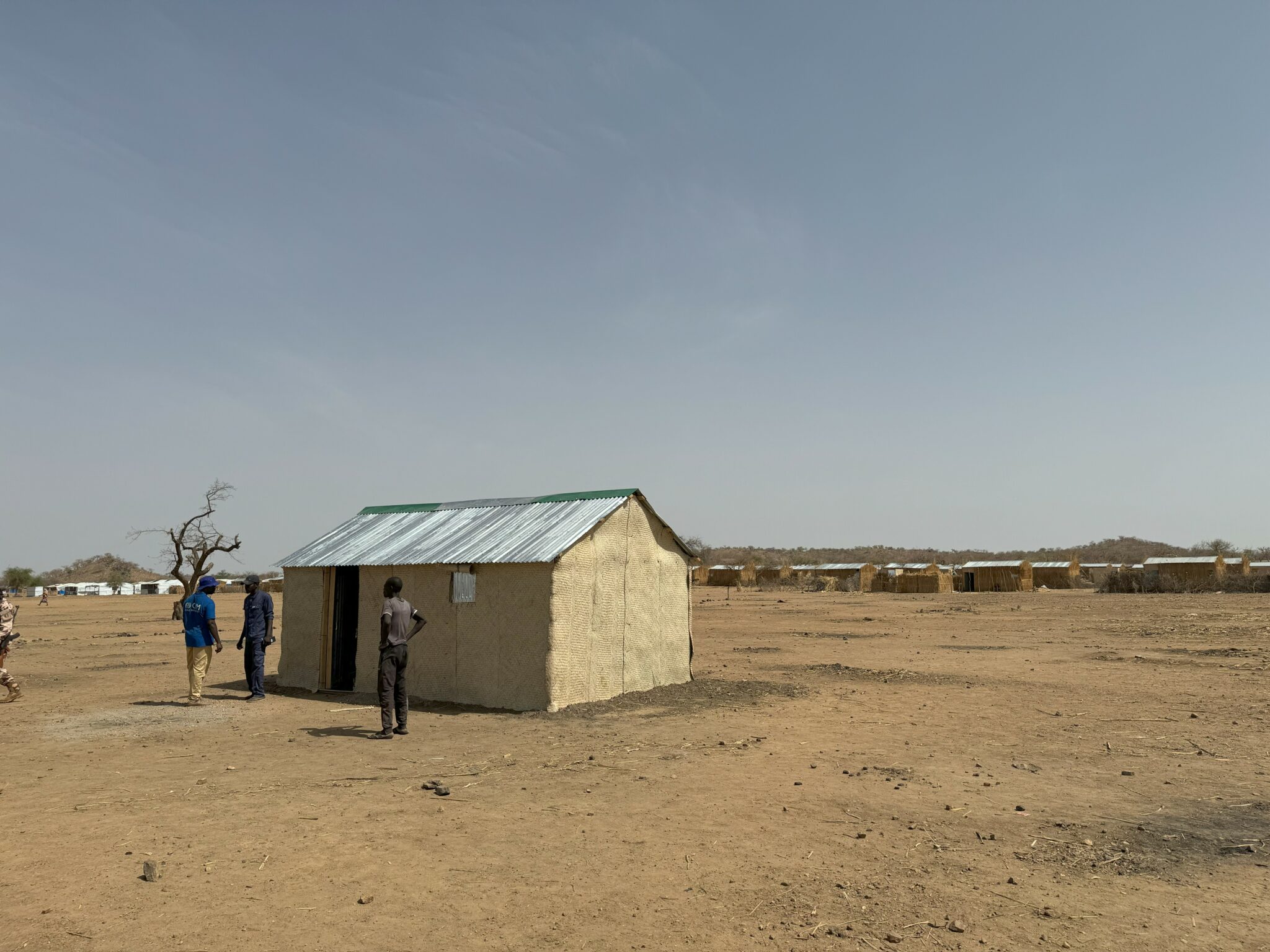
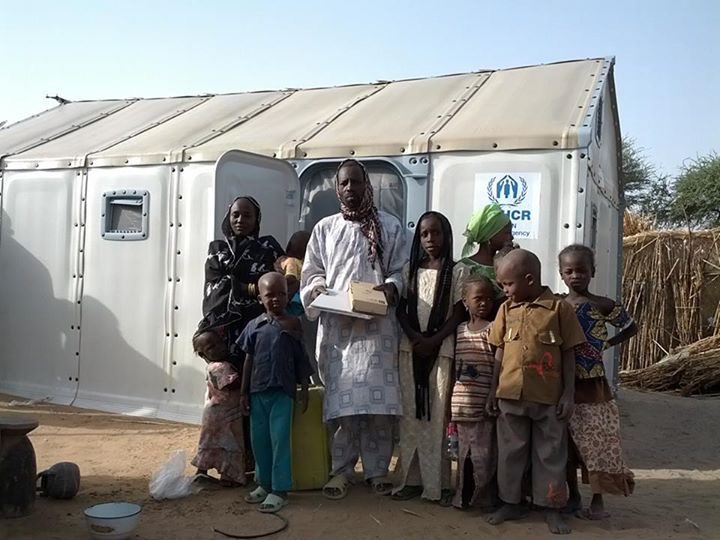
In recent years, we have supported Sudanese refugees in Chad, as well as returnees, host communities, and internally displaced people in Sudan. With the support of a private sector partner, we provided the International Organization for Migration (IOM) with 144 shelter frames last year, equipped with solar-powered lamps.
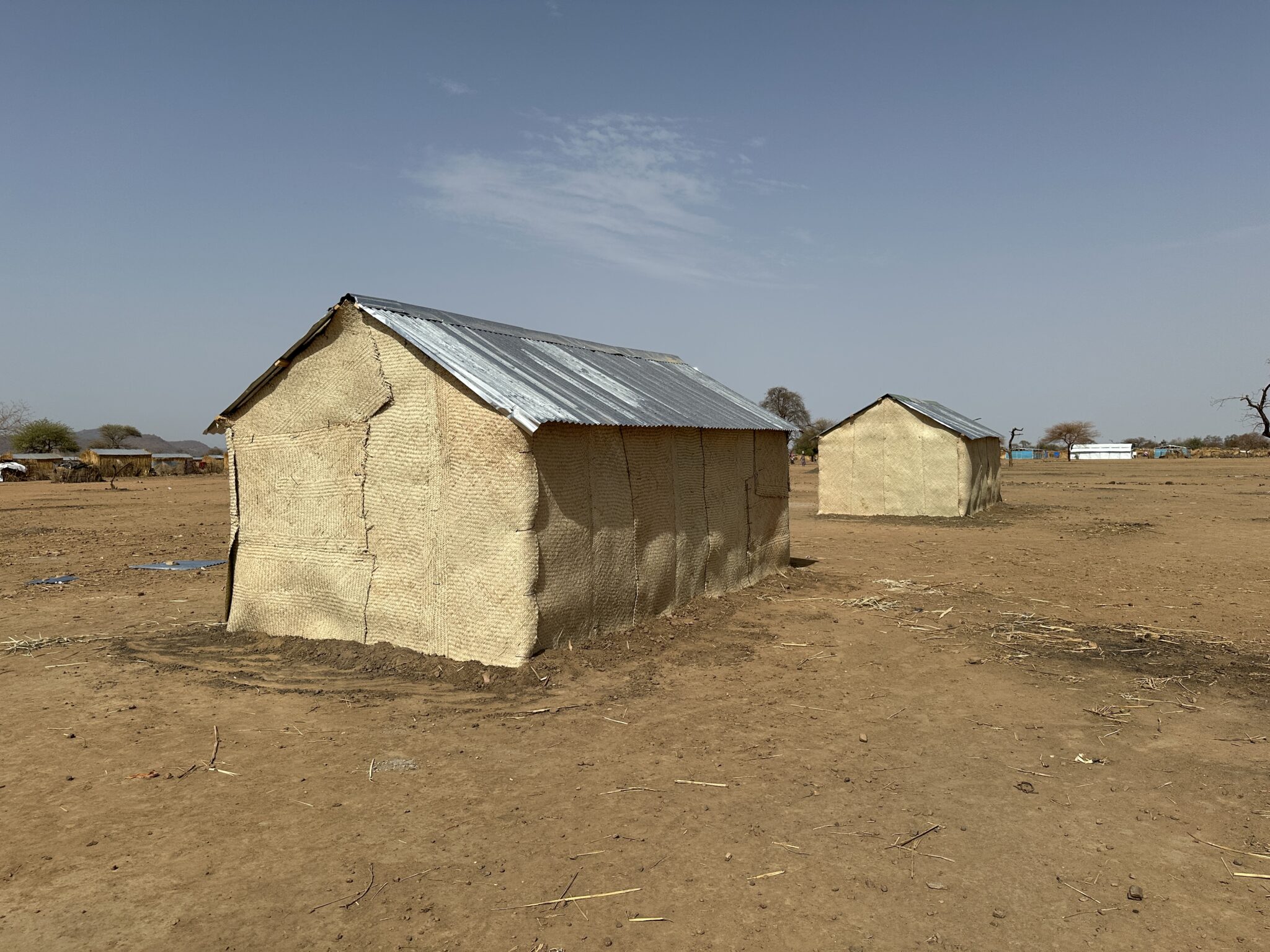
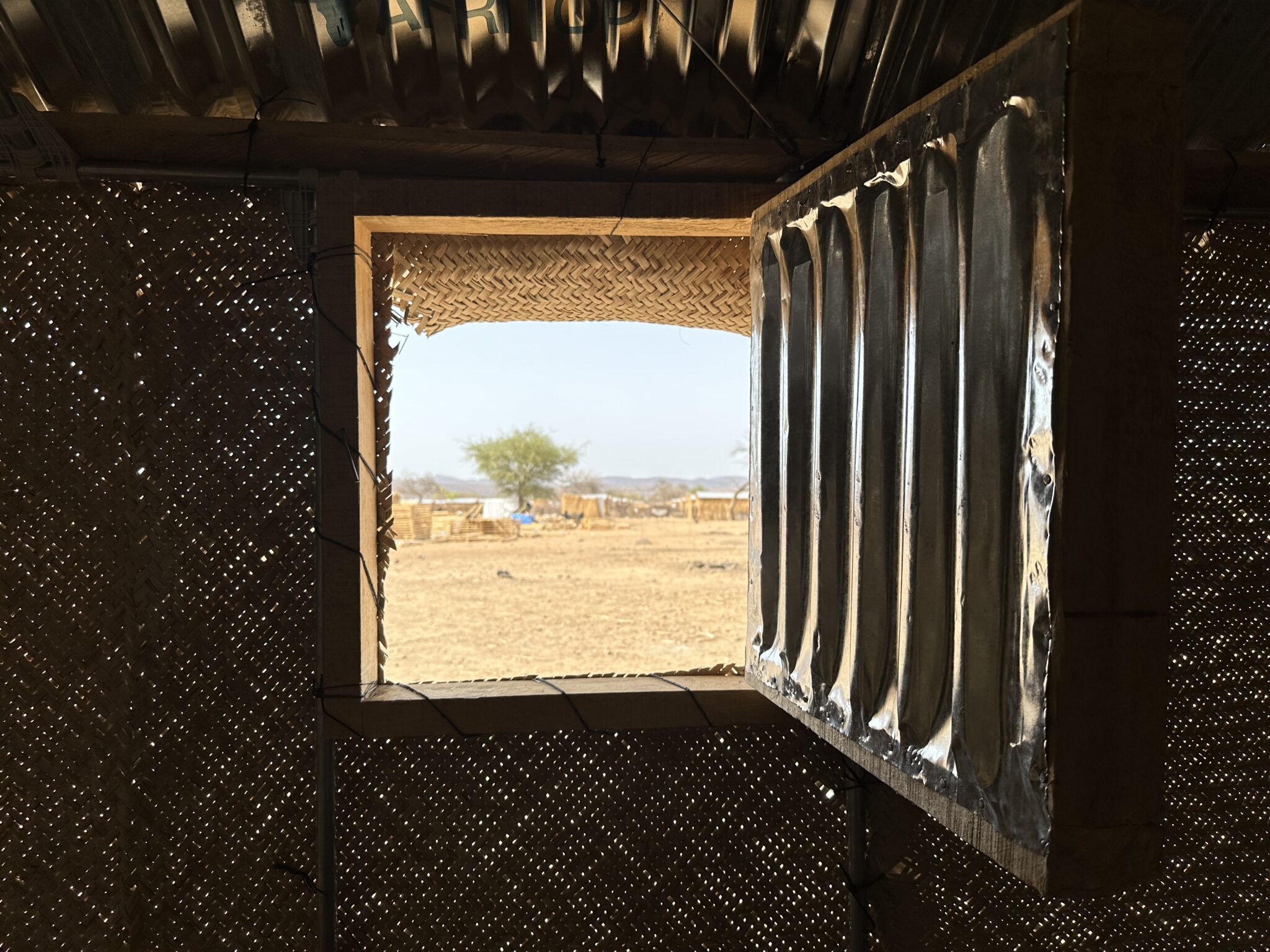
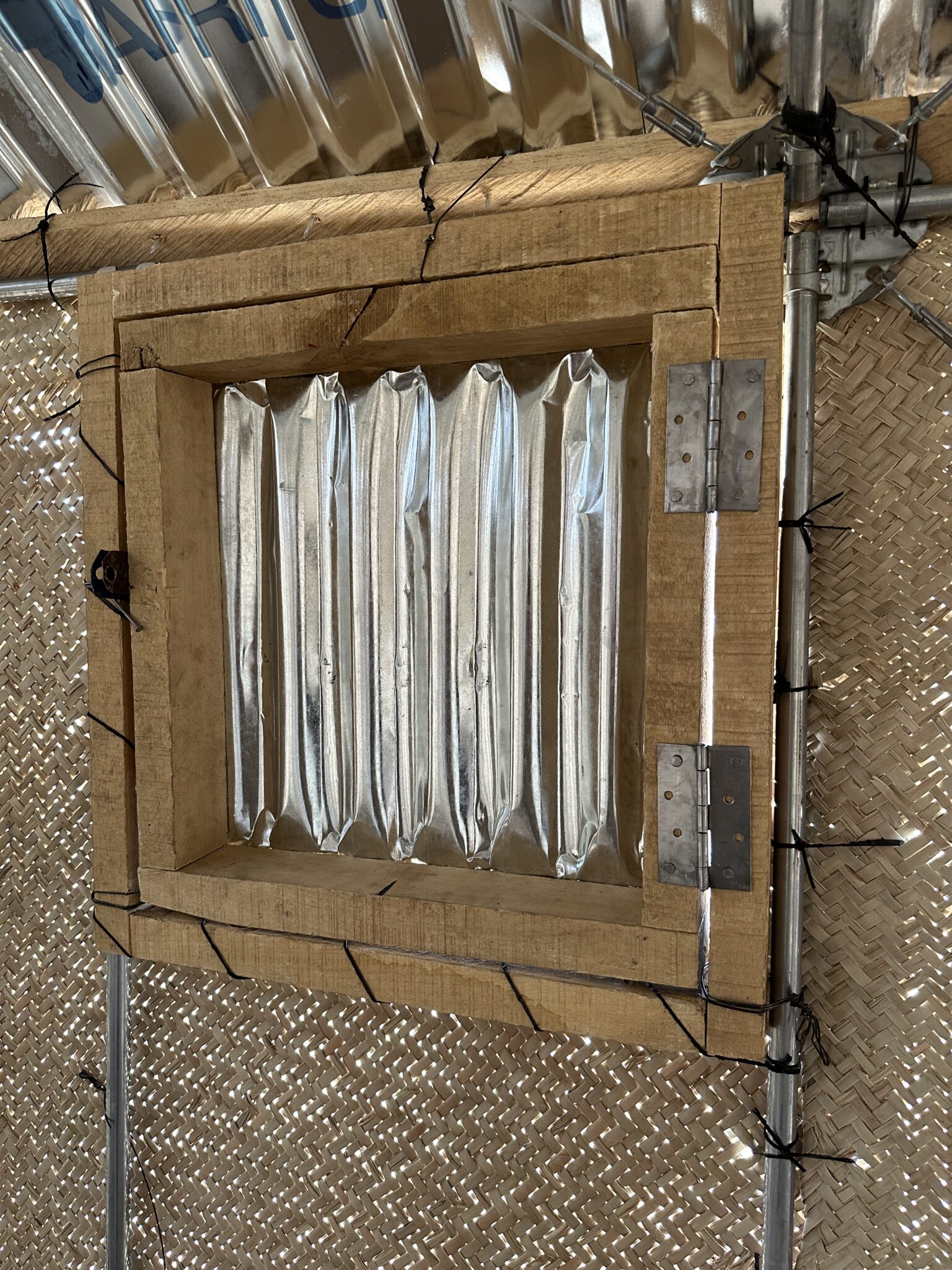
In Deguessa, Sila Province, IOM upgraded the shelters using locally sourced materials to create semi-durable homes for Chadian returnees. The new structures replaced wooden emergency frames, significantly improving durability, protection from rain, and thermal comfort in hot weather.
Sourcing cladding and construction materials, such as mats, cement, sand, and gravel, from local markets contributed to the regional economy and supported small businesses.
In May 2024, our technical team trained IOM personnel and local communities in Deguessa. Both returnees and host community members were trained, and participated in the building process, receiving compensation for their work. This initiative helped strengthen community resilience by building local capacity in shelter construction.
The solar lamps help reduce risks at night and are particularly valuable for women and children, in and around the camps.