
SUSTAINABILITY & INNOVATION
From the start, we’ve focused on innovation and meaningful impact through thoughtful design. By partnering, prototyping and continuously learning, we keep evolving to meet the needs of displaced communities more effectively.
An incremental approach
Our new product portfolio is built around a lightweight, durable modular frame that adapts to different materials, needs and budgets. Its flexible design allows for varied sizes, shapes and uses – from shelters to clinics, classrooms and safe spaces.

We are developing an improved frame that can better be combined with local building materials. Our guidelines are designed to support partners and occupants when adding local buidling materials with various techniques.
A modular and lightweight, yet sturdy, frame.
An enhanced pre-made panel system will provide immediate safety and dignity, assembling quickly and serving various needs and adapting to complex humanitarian situations. We prioritise materials with minimal environmental impact, ensuring prolonged safety and dignity.
This tent cover and modular frame will act as a fast and affordable emergency shelter. Occupants can later improve it with sturdier materials if they remain displaced.
Sustainability
We collaborate with humanitarian partners, the private sector, and academia to improve our shelters and adapt to the rapidly changing humanitarian landscape. We develop materials to improve the indoor climate, strengthen components to make the shelters more resilient and sustainable and find new ways to optimise modularity, recyclability and upgradability.

Deploy
A sustainable product strategy addressing the shelter needs of the millions of people who may face displacement in the future.
An approach to create a modular and versatile shelter framework that can be easily stockpiled and assembled.
Upgrade
A pre-fabricated panel system that offers safety and dignity from the outset, with rapid assembly and versatile applications,
Made of materials which create as little environmental impact as possible.
They serve as temporary structures that can fit into complex humanitarian responses.
Upcycle
Enable communities to upgrade with available building materials using local traditions and expertise.
Adapt shelters as local resources become accessible and transform them into more durable buildings in protracted emergencies.
Advancing sustainable development
We are committed to the SDG framework, and as a member of the United Nations Global Compact, we report on our current activities, which help us align our strategies and operations with universal principles on human rights, labour, environment, and anti-corruption.
Projects and news
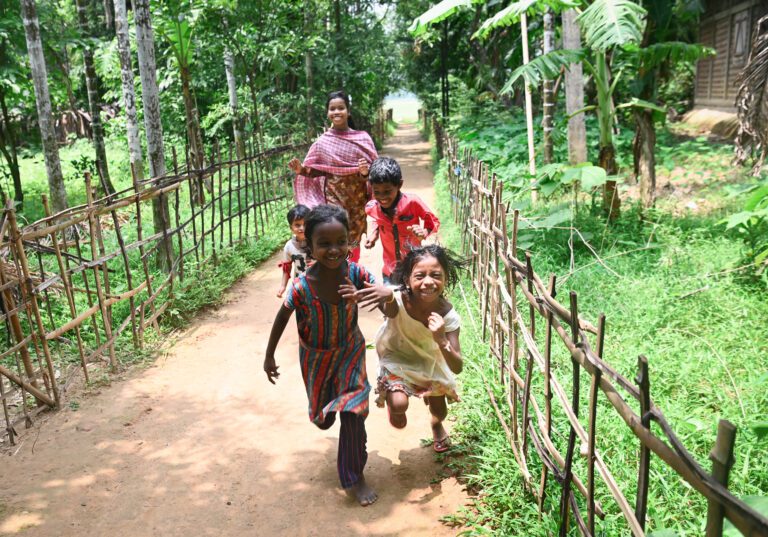
Environmental progress
EcoVadis has recognised our third-party logistics partner with the top one…

Navigating private and public sector collaborations: Insights from the 2024 Civil Protection Forum
Better Shelter’s co-founder and managing director, Johan Karlsson, recently participated in…

Norman Foster Foundation scholars reflect: what does a safe and dignified shelter mean to you?
Now with over 100 million displaced people around the world, including…
Our design philosophy
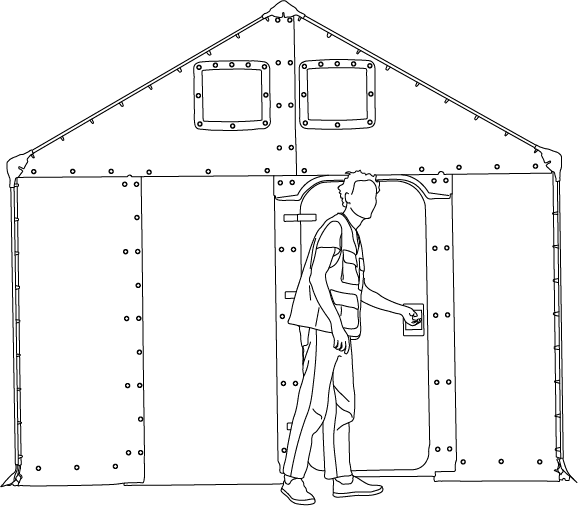
Human centred design
Shelter is a dynamic process, not a product, and every stakeholder’s perspective is invaluable.
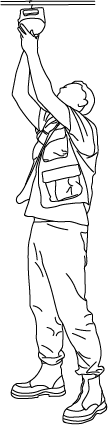
Humanitarian imperative
Guided by humanitarian principles, we must provide culturally appropriate shelters to ensure safety without imposing additional concerns on people.

Prototype
Ensure early and iterative evaluation through prototypes, with gradual progression from small-scale to full-scale models with feedback from users.
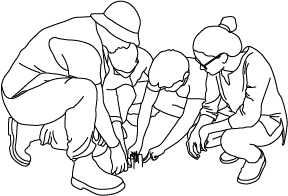
Test, pilot and verify
Test prototypes with partners, to assess performance and collect feedback, scrutinise various aspects and community acceptance, while prioritising safety and performance in design choices.

Invest in innovation
Partner with coreagous philanthrophies through multi-year innovation programs to ensure ideation, prototyping, evaluation, iteration and impact evaluation.
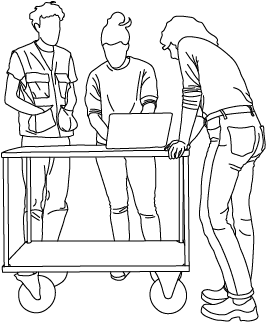
Innovate through collaboration
Collaborate with UN agencies, NGOs, manufacturers, academia, foundations with active contribution in every phase of product development.

