Save the Children builds shelters in Sudan

Region: Africa
Country: South Sudan
Year: 2026
Shelter: Structure
Project size: 0-50
Modality: Classrooms, Other
Sector: Shelter, Education
Partner: Other
Support:

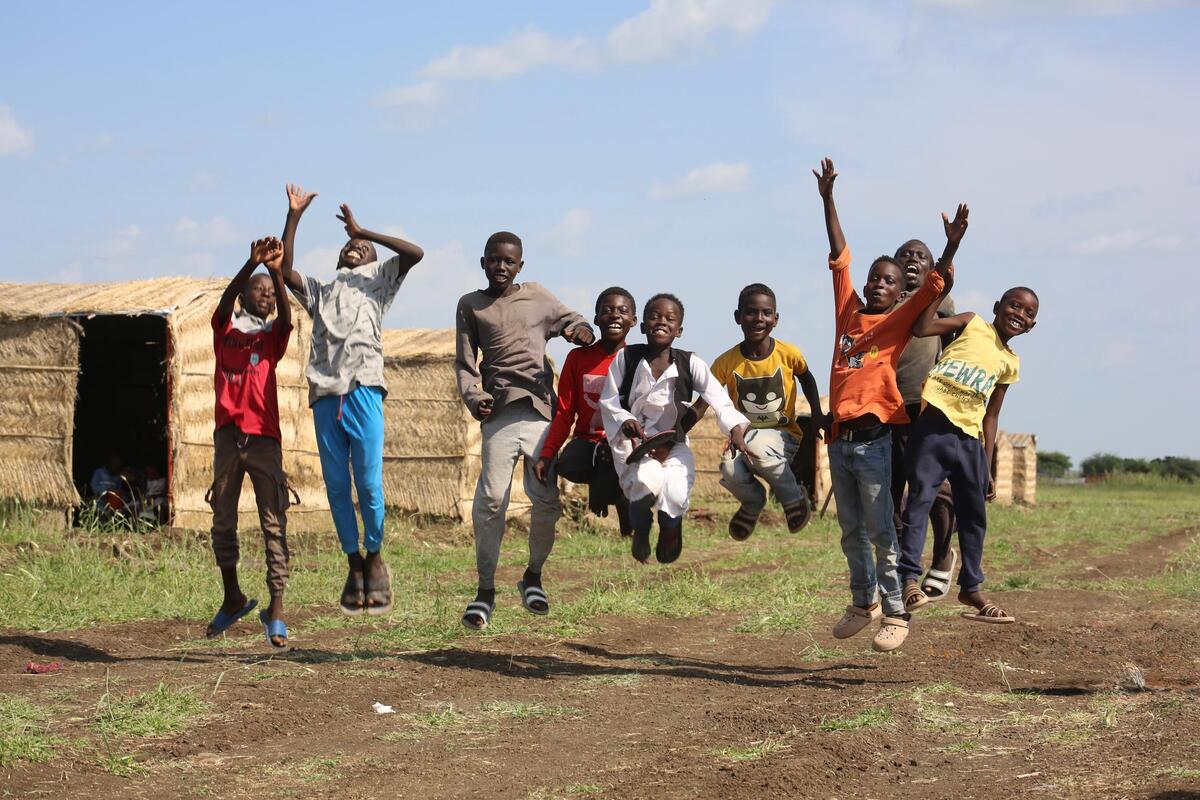
Since April 2023, fighting in Sudan has forced millions of people to leave their homes, creating one of the most severe humanitarian situations in the world. In Gedaref State, eastern Sudan, families arrived with almost nothing, carrying what they could, searching for safety.

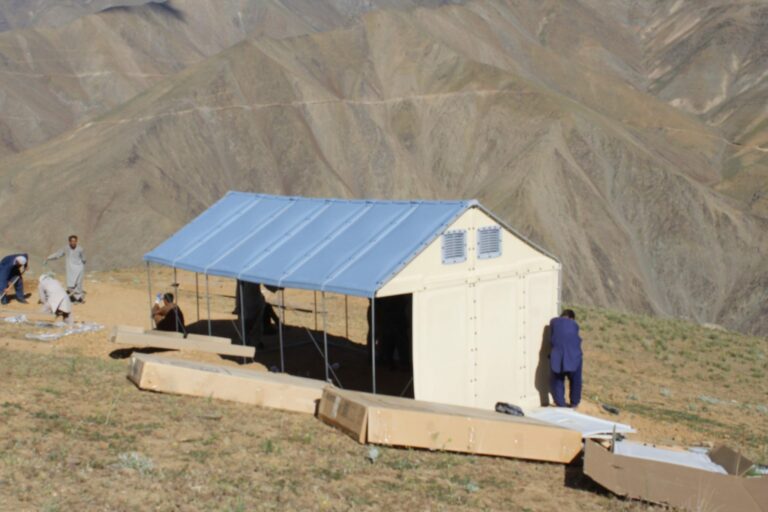
Save the Children has built shelter frames by Better Shelter in the Gedaref State. The region has received more than one million displaced people since the conflict began. Built with local materials, the shelters give families a safer place to live, while some function as classrooms.

Through this project, 295 displaced people (55 women, 56 men, 114 girls, and 70 boys) now live in safer shelters, and 1,536 children (840 girls and 696 boys) in the El-Saraf settlement attend classes in school spaces made from shelter units.

Read more about this project here.

FAQ: The war in Sudan

The conflict began in April 2023 when fighting broke out between Sudan’s army and a powerful paramilitary group called the Rapid Support Forces (RSF). The struggle for control quickly spread beyond the capital and turned into a wider conflict affecting many parts of the country.

About 4 million people have crossed into neighbouring countries to seek safety. These are people officially recorded as refugees outside Sudan. Inside Sudan, there are around 11 million people who have been forced to leave their homes but remain within the country’s borders. So, in total, roughly 15 million people have been uprooted from their homes because of the conflict, either inside Sudan or beyond its borders.

Many have fled to Chad, South Sudan, Egypt and others.

The war has disrupted everyday life. Fighting has damaged homes, markets, and services. Many people struggle to find basic things like food, water, and medicine.

The United Nations describes the situation as one of the largest displacement crises in the world. They report widespread disruption to schools, health services, and access to essential supplies, and say millions need immediate support.