
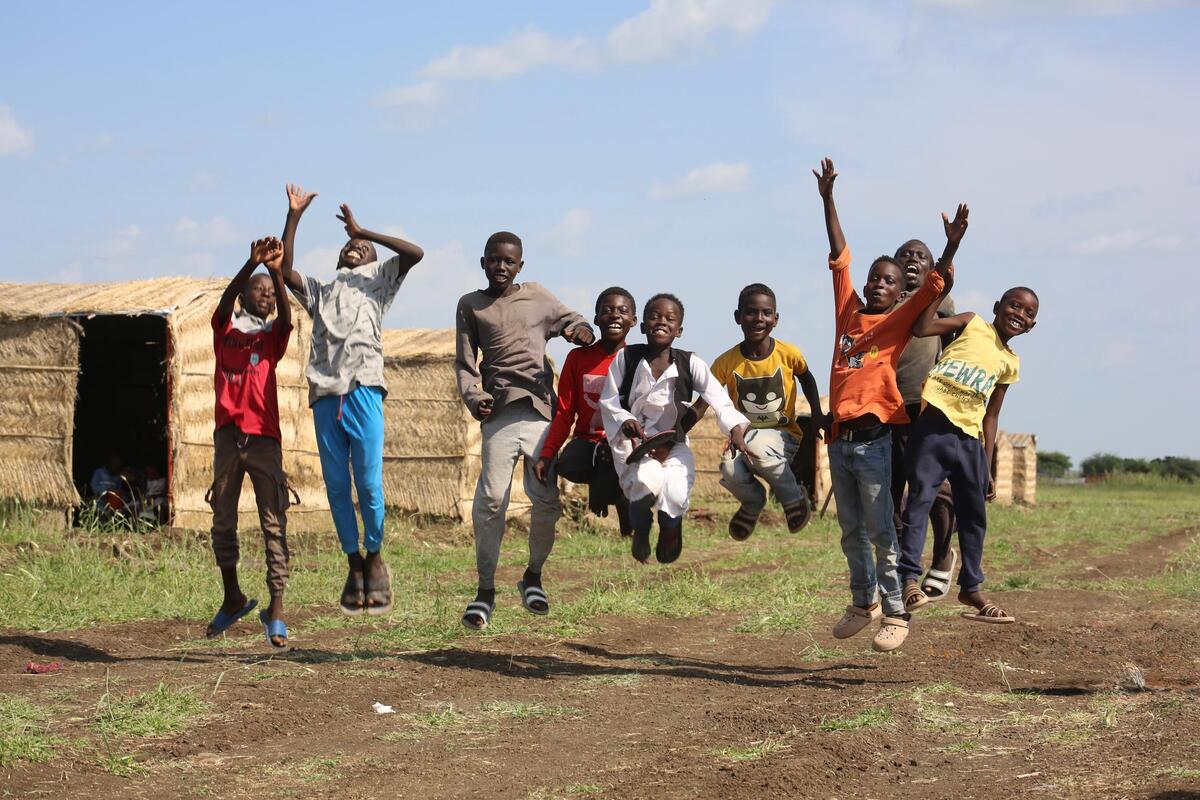
Save the Children has built shelter frames by Better Shelter in the Gedaref State. The region has received more than one million displaced people since the conflict began. Built with local materials, the shelters give families a safer place to live, while some function as classrooms.
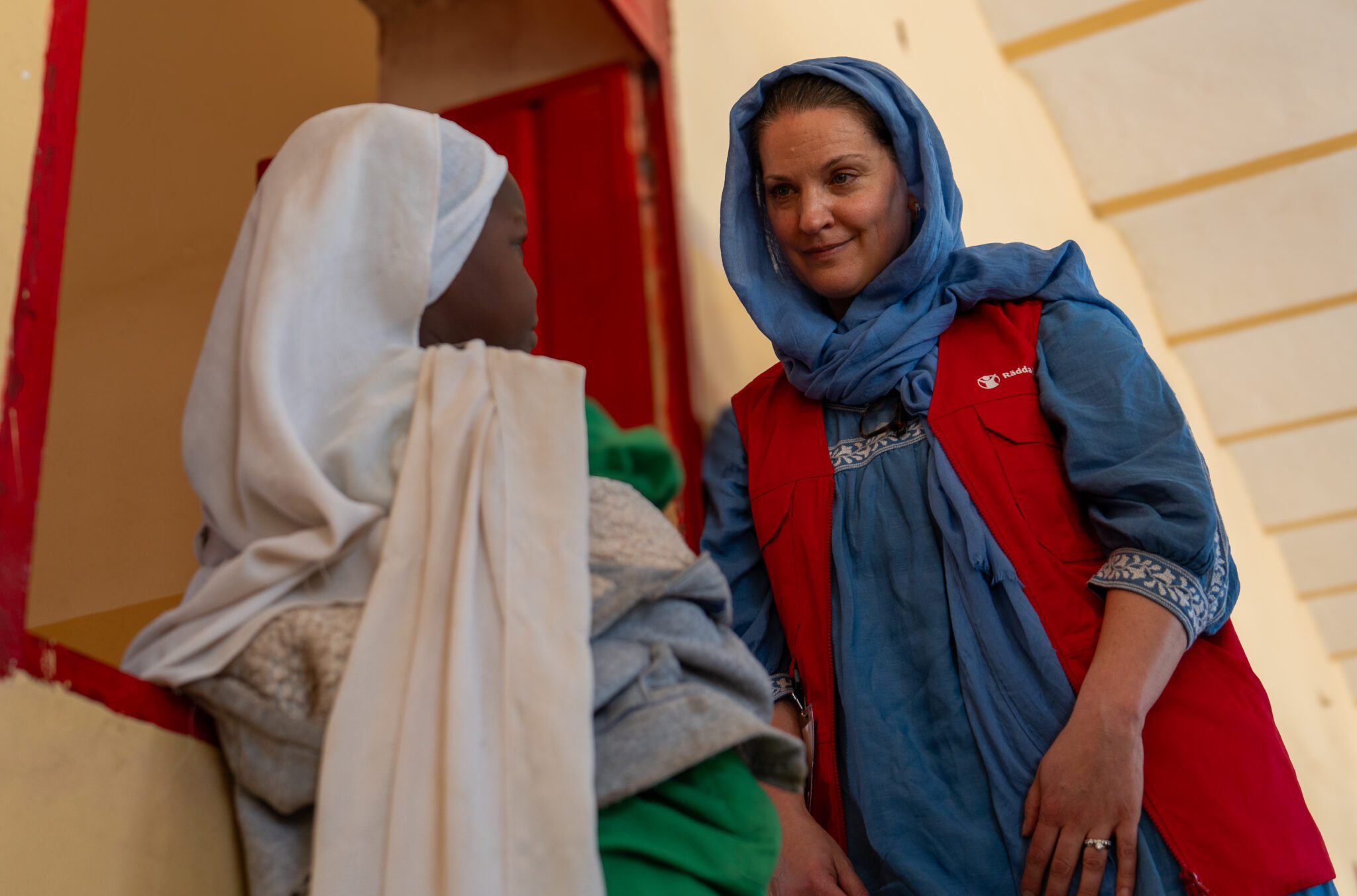
Since April 2023, fighting in Sudan has forced millions of people to leave their homes, creating one of the most severe humanitarian situations in the world. Many have arrived in Gedaref State, eastern Sudan, with few belongings and an urgent need for safe places to stay. Cecilia Chatterjee Martinsen, International Program Director at Save the Children Sweden, recently visited Sudan.
“I am very proud of our partnership with Better Shelter and the impact it is having on children in Sudan. In the El-Saraf settlement and the Abu Alnaja-D reception centre, Save the Children has constructed 75 shelter frames in response to the high number of people arriving.
Cecilia Chatterjee Martinsen, International Program Director at Save the Children Sweden
Working with the community
This project marks the first use of Better Shelter’s shelter frames in Sudan. Save the Children Sudan trained local contractors to assemble them, and the community took part in the construction work, using materials like hazeer grass, bamboo sheets, and grass mats. This approach reduces pressure on the environment, helps the shelters feel familiar, and ensures that skills stay in the community from the start.
Save the Children has been working in Sudan since 1983 and supports children and their families in 14 of the country’s 18 states. Their work covers health and nutrition, education, child protection, child rights governance, child poverty, and emergency response. In 2025, together with local partners, they reached 4.9 million people through their programs.
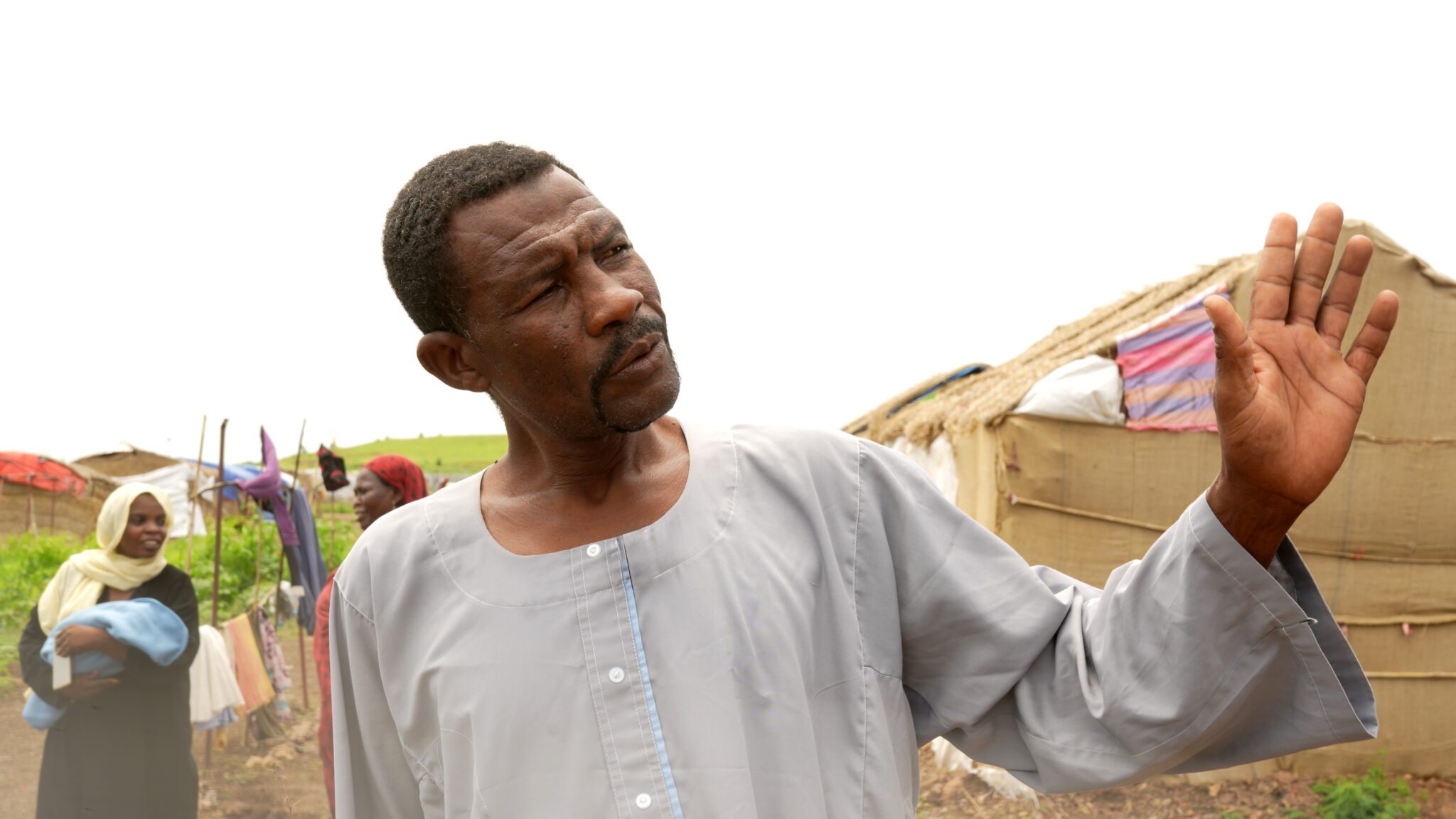
“We are still carrying fear and stress from what we went through, but having a safe place has reduced constant anxiety. Personally, I feel safer than I have in a long time, and that helps my children feel calmer too.”
Mutasim, father and husband, Gedaref State
A shelter adapted to place
Community shelter committees help look after the shelters. They handle small repairs and share safety practices with neighbours, including how to reduce the risk of fire.
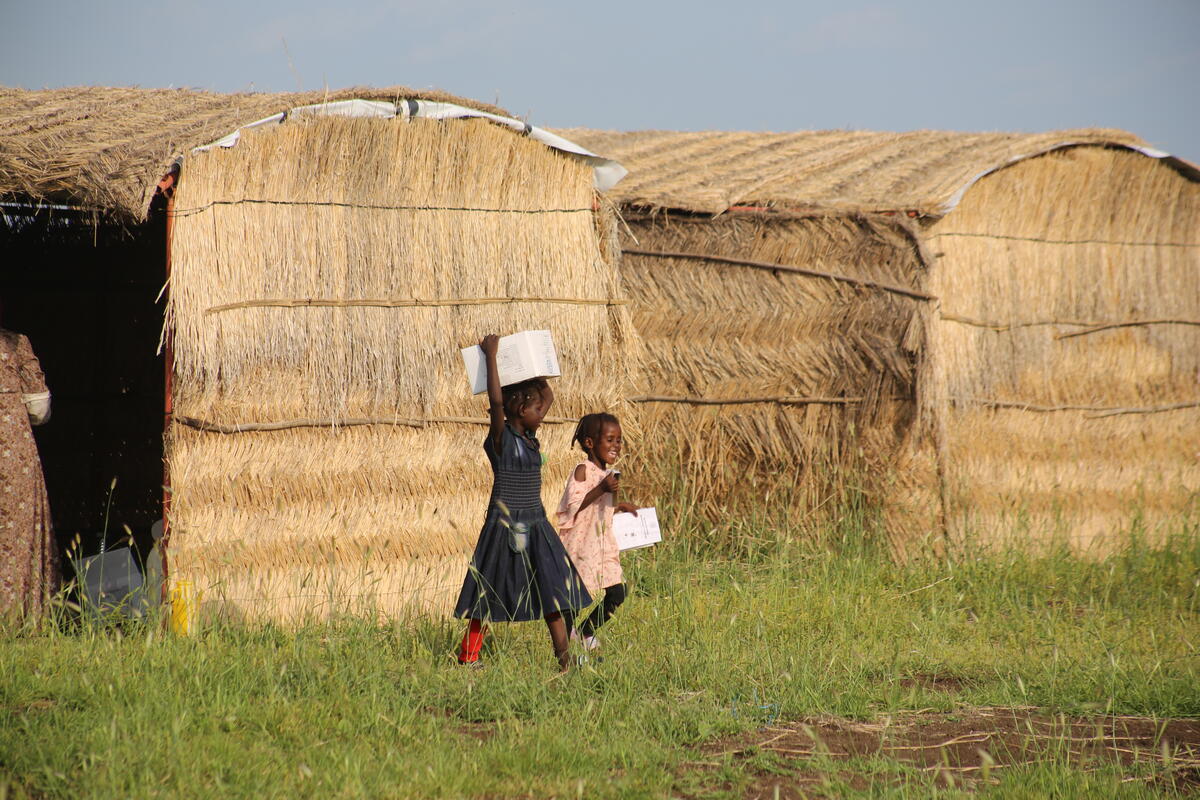
“By creating stable, planned living areas, the shelters have enabled the installation of clean water points, toilets, and classrooms close to where families live. This is amazing to see, but the needs are huge so more support to displaced families is needed.”
Cecilia Chatterjee Martinsen, International Program Director at Save the Children Sweden
Impact in numbers
- 295 displaced people now live in safe shelter (55 women, 56 men, 114 girls, and 70 boys).
- 1,536 children in El-Saraf settlement, (840 girls and 696 boys), attend classes in classrooms built from shelter units.


