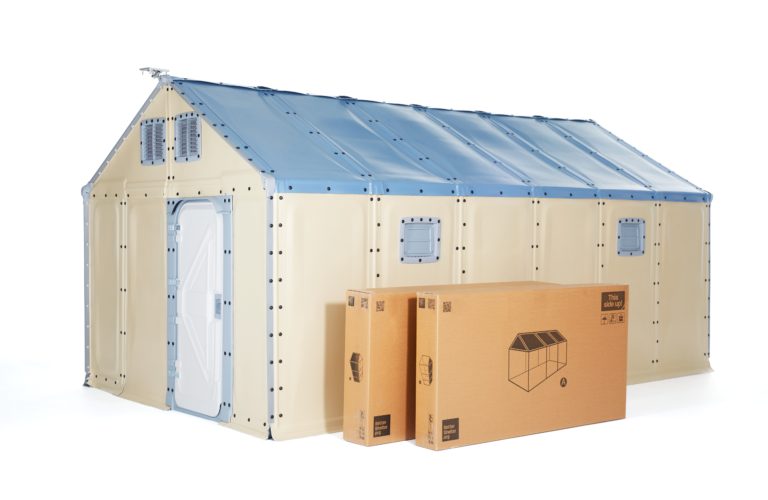
Support at the border for families returning to Afghanistan with the International Rescue Committee (IRC) 

Region: Asia and the Pacific
Country: Afghanistan
Year: 2025
Shelter: RHU
Project size: 51-100
Modality: Temporary shelter
Sector:
Partner: Other
Support:

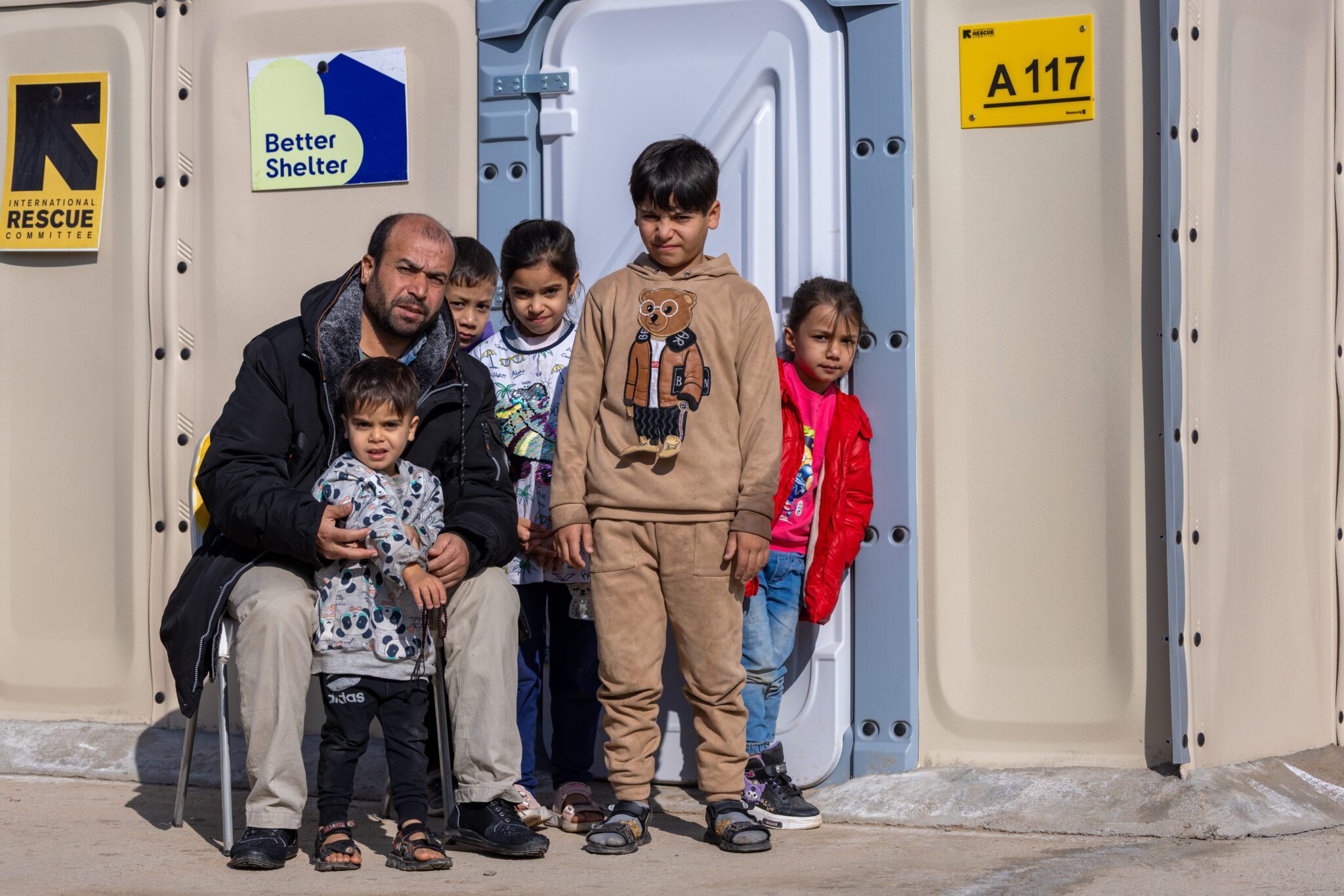
As millions of Afghans return from Iran and Pakistan, many arrive with little support and few places to rest. International Rescue Committee (IRC) set up a temporary relief facility, offering safety, healthcare, and essential services for families in transit, using our shelters, donated via the Better Fund.

Since January 2025, millions of Afghans have returned from Iran and Pakistan, many arriving at the Islam Qala border crossing in Herat Province after being left with few options to stay where they were. With limited access to healthcare, clean water, and protection, the speed of these returns has put huge pressure on services that were already stretched thin. In response, the International Rescue Committee (IRC) established a temporary relief facility at the Afghanistan–Iran border in September last year, using 120 shelters from Better Shelter.

Read more about this project here.

FAQ

A large number of Afghans are returning because host countries like Iran and Pakistan have tightened policies, including ending temporary residency arrangements and increasing deportations. These shifts have pushed people back over the border, often with little warning and few resources.

Hundreds of thousands of Afghans have returned in 2025, with estimates ranging from over 1.8 million to nearly 2.8 million people returning from Iran and Pakistan as of late 2025.

Returnees often arrive with limited belongings and little access to basic services such as shelter, healthcare, clean water, and legal documentation support. Many border areas and host communities lack sufficient capacity to meet these needs.

Afghanistan remains one of the world’s largest humanitarian crises. Millions of people lack access to essential services like healthcare, clean water, food, and sanitation. In 2025, anywhere from about 18 million up to nearly 23 million people are estimated to require humanitarian assistance.

Return patterns include both voluntary returns and pressured or forced movements, especially where legal protections have been reduced in host countries. This makes safe and dignified return difficult for many families, particularly vulnerable groups.